
Aggiornato il: 09 gennaio 2026
Nel momento in cui varchi una stanza, quello che senti per primo spesso proviene da un dettaglio che non noti consapevolmente: la luce. Un'illuminazione mal pianificata può rendere anche gli interni più pensati opachi e senza vita, mentre le scelte giuste aggiungono carattere, calore e profondità. A questo punto, la progettazione dell'illuminazione emerge come una forza sottile ma potente che modella l'atmosfera e rivela la vera anima di uno spazio.
Man mano che procedi nella lettura, scoprirai come l'illuminazione influenza lo stato d'animo, come la luce può essere stratificata in diverse aree, e come gli approcci di progettazione professionale trasformano gli interni. Esplorerai anche le tendenze moderne e le soluzioni intelligenti che riuniscono estetica e funzionalità attraverso scelte di illuminazione consapevoli.
I 3 tipi fondamentali di illuminazione nella progettazione d'interni

Ogni interno ben progettato inizia con un solido piano di illuminazione. Una buona progettazione dell'illuminazione per interni non è solo questione di installare bellissimi apparecchi; si tratta di comprendere come diversi tipi di illuminazione nella progettazione d'interni funzionano insieme per creare equilibrio, comfort e atmosfera.
Ci sono tre principi principali dell'illuminazione d'interni: illuminazione ambientale, illuminazione funzionale e illuminazione d'accento. Ognuno ha uno scopo specifico, e quando combinati con consapevolezza, formano la base di una progettazione dell'illuminazione d'interni efficace.

Illuminazione ambientale
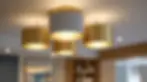
L'illuminazione ambientale, nota anche come illuminazione generale, è lo strato di base dell'illuminazione in qualsiasi stanza. Fornisce luce complessiva che ti consente di muoverti in sicurezza e comodità.
Scopo: Stabilire un livello di luminosità coerente nello spazio.
Funzione: Imposta l'atmosfera dell'intera stanza e garantisce la visibilità senza creare ombre dure.
Esempi: Apparecchi montati a soffitto, lampadari, luci a incasso o pannelli LED che distribuiscono la luce uniformemente.
Nella progettazione dell'illuminazione del salotto, la luce ambientale spesso proviene da una luce centrale al soffitto o da applique a parete, mentre nella progettazione dell'illuminazione della camera da letto, potrebbe essere un bagliore soffice che crea un'atmosfera calma e accogliente.
Illuminazione funzionale

L'illuminazione d'accento si concentra su aree specifiche dove svolgete particolari attività. Questo tipo di luce migliora la visibilità per compiti come leggere, cucinare o truccarsi.
Scopo: Fornire luce concentrata per funzionalità e precisione.
Funzione: Riduce l'affaticamento degli occhi fornendo una luminosità adeguata alle zone mirate.
Esempi: Lampade da scrivania, luci sotto i pensili in cucina, specchi da trucco con cornici LED, o lampade da lettura al comodino.
Un progetto di illuminazione ben pianificato per la casa include l'illuminazione d'accento in ambienti come cucine, uffici, sale giochi, home office e bagni dove la chiarezza e la concentrazione sono fondamentali.
3. Illuminazione d'accento

L'illuminazione d'accento è tutta una questione di drammaticità e dettagli. Aggiunge dimensione, attira l'attenzione sui punti focali e migliora l'appeal estetico di una stanza.
Scopo: Evidenziare elementi o oggetti di design specifici.
Funzione: Crea interesse visivo e profondità, aggiungendo un livello di sofisticatezza all'interno.
Esempi: Proiettori di parete, faretti, illuminazione a binario, o strisce LED nascoste che enfatizzano opere d'arte, piante o elementi architettonici.
Nel design d'interni moderno l'illuminazione, l'illuminazione d'accento aiuta a definire la personalità di uno spazio. Trasforma una stanza ordinaria in un ambiente curato pieno di carattere e atmosfera.
Insieme, questi tre tipi – l'illuminazione ambientale, d'accento e funzionale – formano la base di ogni progetto di illuminazione di successo. La chiave è raggiungere l'equilibrio: troppo di un tipo può sovraccaricare la stanza, mentre la giusta combinazione può rendere la vostra casa calda, funzionale e bellissimamente illuminata.
Come sviluppare il piano di illuminazione giusto per te?

Creare un piano di illuminazione ponderato è uno dei passaggi più importanti per ottenere un buon progetto di illuminazione per la tua casa o il tuo progetto d'interni. Un progetto di illuminazione interna ben equilibrato non solo migliora la funzionalità, ma definisce anche l'atmosfera di ogni spazio. Per progettare in modo efficace, è essenziale pensare strategicamente e stratificare la luce secondo lo scopo, l'attività e l'atmosfera desiderata.
Ecco come sviluppare un piano di illuminazione che funzioni davvero per te.
Fase 1: Definisci lo spazio e la sua funzione
Ogni progetto di illuminazione interno di successo inizia con la comprensione di come verrà utilizzato uno spazio. I requisiti di illuminazione di una cucina sono completamente diversi da quelli di una camera da letto o di un soggiorno.
Considerare quanto segue:
Identifica le funzioni primarie e secondarie di ogni stanza.
Determina le aree che richiedono illuminazione di compito come angoli lettura, superfici di lavoro della cucina o scrivanie in ufficio.
Pensa al comfort e all'atmosfera per spazi come soggiorni e camere da letto, dove una buona illuminazione dovrebbe favorire il relax.
Presta attenzione alle fonti di luce naturale e pianifica come l'illuminazione artificiale le complementerà.
Allineando la luce alla funzione, crei spazi che sono sia pratici che accoglienti.
Fase 2: Stratifica l'illuminazione
L'organizzazione in strati è al cuore di ogni piano di illuminazione professionale per interni. Significa combinare diversi tipi di illuminazione nel design d'interni, illuminazione ambiente, illuminazione funzionale e illuminazione d'accento, per ottenere profondità e dimensione.
Passaggi pratici per l'organizzazione in strati:
Iniziare con l'illuminazione ambiente per stabilire il livello di luminosità generale.
Aggiungere illuminazione funzionale per le aree specifiche dove si svolgono le attività.
Integrare illuminazione d'accento per evidenziare trame, opere d'arte o dettagli architettonici.
Bilanciare l'intensità di ogni strato per mantenere armonia e comfort visivo.
L'organizzazione in strati consente al tuo design di illuminazione di adattarsi a diversi stati d'animo e necessità durante il giorno.
Fase 3: Scegliere le giuste apparecchiature
La giusta selezione di apparecchiature porta il tuo design di illuminazione per la casa alla vita. Al di là dell'estetica, le apparecchiature influenzano la distribuzione della luce, la luminosità e l'efficienza energetica.
Quando scegli le apparecchiature:
Abbina lo stile delle apparecchiature al concetto di design d'interni.
Seleziona temperature di colore calde o fredde in base allo scopo della stanza.
Utilizzare dispositivi dimmerabili per controllare la luminosità e creare atmosfere flessibili.
Optare per soluzioni LED ad alta efficienza energetica per combinare sostenibilità e prestazioni.
Ogni dispositivo dovrebbe migliorare sia la funzionalità che il flusso visivo del tuo interno.
Passaggio 4: Integrare sistemi di controllo intelligenti
L'illuminazione moderna incorpora sempre più tecnologie intelligenti per offrire praticità, efficienza e personalizzazione.
Vantaggi principali:
I sistemi di illuminazione intelligente ti permettono di regolare luminosità, temperatura del colore e tempi con una semplice app o comando vocale.
Le impostazioni automatizzate possono imitare la luce naturale, supportando il comfort e la produttività.
I sensori di movimento e i timer migliorano il risparmio energetico senza compromettere il comfort.
Il controllo delle scene ti consente di impostare atmosfere illuminate predefinite per il relax, il lavoro o l'intrattenimento.
L'illuminazione intelligente aggiunge flessibilità al tuo progetto di illuminazione interno, rendendo più facile raggiungere l'atmosfera perfetta in qualsiasi momento.
Un piano di illuminazione ben elaborato combina il design creativo con il pensiero pratico. Definendo lo spazio, stratificando la luce, scegliendo dispositivi adatti e integrando sistemi di controllo intelligenti, puoi ottenere un'illuminazione che risulti equilibrata, funzionale e perfettamente adatta al tuo stile di vita.
Tendenze Attuali nell'Illuminazione d'Interni
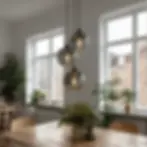
La progettazione dell'illuminazione contemporanea per interni si sta evolvendo rapidamente, plasmata dai cambiamenti nello stile di vita, dagli obiettivi di sostenibilità e dall'innovazione tecnologica. La progettazione dell'illuminazione per interni oggi non riguarda solo l'illuminazione, ma anche l'atmosfera, il benessere e l'espressione estetica. Le tendenze più recenti riuniscono la natura, la semplicità e l'intelligenza per creare ambienti che si sentono sia belli che funzionali.
Di seguito sono riportate alcune delle tendenze più influenti che ridefiniscono la progettazione dell'illuminazione per casa e spazi interni moderni.
Progettazione Biofila dell'Illuminazione
La progettazione biofila enfatizza la connessione tra gli esseri umani e la natura. Nell'illuminazione, questo concetto si traduce nella creazione di esperienze di luce naturale che supportano il benessere e il comfort.
Gli elementi chiave includono:
Imitare il colore e il ritmo della luce naturale del giorno per allinearsi al ritmo circadiano del corpo.
Utilizzare materiali organici come legno, rattan e lino per paralumi e corpi illuminanti.
Incorporare piante con illuminazione integrata in vasi o giardini verticali.
Massimizzare la luce naturale attraverso layout aperti e superfici riflettenti.
Questo approccio porta calore e serenità, trasformando la luce artificiale in una compagna naturale piuttosto che in una fonte dura.
Corpi Illuminanti Minimalisti e Scultorei
Nell'illuminazione moderna del design d'interni, le lampade stanno diventando sia più semplici che più espressive. Il trend minimalista si concentra su linee pulite, forme geometriche e integrazione armoniosa nell'architettura.
Allo stesso tempo, i pezzi di illuminazione scultorea fungono da arte funzionale, servendo come elementi di carattere che definiscono l'anima di una stanza.
Applicazioni pratiche:
Lampade a sospensione eleganti sopra isole cucina o tavoli da pranzo per un'eleganza sottile.
Lampade da terra artistiche o lampadari che raddoppiano il ruolo di pezzi visivi centrali.
Supporti nascosti e silhouette sottili che mantengono l'equilibrio visivo e la diffusione della luce.
Questi progetti evidenziano l'idea che una buona illuminazione può essere sia discreta che impattante.
Illuminazione Invisibile
Un trend in crescita nel design dell'illuminazione domestica è il concetto di illuminazione invisibile, un'illuminazione che migliora lo spazio senza essere vista. Questa filosofia progettuale privilegia l'armonia e l'atmosfera rispetto alla visibilità degli elementi luminosi.
Le tecniche includono:
Strisce LED incassate lungo soffitti, pareti o scale.
Illuminazione a cornice che crea un effetto di sospensione sulle superfici.
Illuminazione architettonica integrata che si fonde nelle texture e nei materiali.
Luce indiretta che fornisce una luminosità morbida e priva di abbagliamento.
L'illuminazione invisibile crea un'atmosfera sofisticata e tranquillizzante, enfatizzando forma, texture e ombra piuttosto che la fonte luminosa stessa.
Integrazione dell'illuminazione intelligente
Nessun progetto di illuminazione moderno è completo senza tecnologia intelligente. I sistemi intelligenti consentono personalizzazione, efficienza e flessibilità, fattori chiave nella vita contemporanea.
Vantaggi principali:
Scene di illuminazione controllate tramite app e attivate vocalmente per comodità.
Regolazioni automatiche in base all'ora del giorno, all'attività o all'umore.
Illuminazione a colore regolabile che migliora la concentrazione, il relax o l'intrattenimento.
Integrazione con i sistemi di domotica per efficienza energetica e sicurezza.
Il design dell'illuminazione intelligente interna riunisce estetica e innovazione, creando case che si adattano facilmente alle esigenze umane.
Le tecnologie e i trend di illuminazione attuali si focalizzano sulla connessione emotiva, la sostenibilità e l'armonia dello stile di vita. Dai concetti biofilici ispirati alla natura ai sistemi invisibili e intelligenti, il futuro di un buon progetto di illuminazione risiede nella creazione di spazi che si sentono vivi, equilibrati e bellamente illuminati.
Progettazione dell'illuminazione architettonica
Creare un design di illuminazione architettonica di successo richiede un processo strutturato che combina creatività, precisione tecnica e consapevolezza estetica. Che si tratti di un interno residenziale, di uno spazio commerciale o di un'area pubblica, ogni progettazione di illuminazione per interni inizia con un concetto chiaro e si evolve attraverso una serie di fasi di pianificazione e implementazione dettagliate.
Di seguito uno sguardo passo dopo passo a come i professionisti affrontano il processo di progettazione dell'illuminazione interna dall'idea alla realizzazione.
Sviluppo del concetto
Ogni grande progettazione di illuminazione inizia con un concetto forte. Questa fase definisce l'atmosfera, l'umore e la funzionalità dello spazio.
I passaggi principali includono:
Analisi della configurazione architettonica, della finalità e del comportamento degli utenti.
Identificazione dei punti focali, delle texture e dei materiali che possono essere valorizzati dalla luce.
Definizione degli obiettivi emotivi e visivi dell'illuminazione, come calore, contrasto o drammaticità.
Allineamento del concetto di illuminazione con il tema complessivo del design degli interni.
Un concetto ben definito assicura che ogni fonte luminosa supporti sia l'estetica che la funzionalità, creando un ambiente coeso e coinvolgente.
Selezione di corpi illuminanti e apparecchiature
Dopo aver stabilito il concetto, il passo successivo è scegliere i giusti apparecchi e le giuste tecnologie. La selezione degli apparecchi determina la qualità, la distribuzione e il tono della luce, influenzando direttamente il modo in cui uno spazio si percepisce.
Considerazioni per questa fase:
Selezionare apparecchi che si abbinino allo stile architettonico e alla scala dell'intervento.
Valutare l'intensità luminosa, gli angoli di apertura del fascio e la temperatura di colore per un buon equilibrio illuminotecnico.
Utilizzare soluzioni LED a risparmio energetico e sistemi adattivi.
Incorporare opzioni di controllo per flessibilità ed efficienza.
Una selezione degli apparecchi consapevole colma il divario tra l'intenzione progettuale e le prestazioni pratiche, assicurando che il progetto di illuminazione sia sia bello che durevole.
Calcoli illuminotecnici e modellazione
La precisione tecnica è fondamentale nella progettazione dell'illuminazione professionale per progetti residenziali e architettonici. Questa fase prevede un'analisi fotometrica per determinare i corretti livelli di illuminazione e la distribuzione.
I compiti includono:
Eseguire calcoli illuminotecnici per garantire l'illuminazione corretta in ogni area.
Utilizzaresoftware di modellazione 3D per visualizzare come la luce interagisce con le superfici e i volumi.
Prova della resa cromatica e dei livelli di luminosità per il comfort visivo.
Regolazione delle posizioni e delle intensità degli apparecchi per risultati ottimali.
La modellazione aiuta i progettisti a raggiungere il giusto equilibrio tra estetica e precisione tecnica, garantendo un'illuminazione coerente e di qualità in tutto lo spazio.
Layout e Pianificazione
Una volta modellato il progetto, vengono sviluppati piani di layout dettagliati. Questi piani guidano i costruttori e gli elettricisti durante l'installazione e garantiscono l'allineamento con i disegni architettonici.
La pianificazione del layout include:
Creazione di disegni di layout dell'illuminazione che indicano le posizioni degli apparecchi e i circuiti.
Coordinamento con altre discipline progettuali per prevenire conflitti.
Organizzazione delle zone di illuminazione per funzionalità, atmosfera e manutenzione.
Conformità agli standard di costruzione e sicurezza.
Un piano preciso trasforma l'intento progettuale in dettagli attuabili, aprendo la strada a un'installazione impeccabile.
Implementazione e Messa a Fuoco
La fase finale porta il design alla vita. È qui che la teoria incontra la realtà e l'atmosfera immaginata nel concept inizia a prendere forma.
Fasi di implementazione:
Installazione degli apparecchi secondo i piani approvati.
Collaudo dei sistemi di controllo e dei dimmer per prestazioni.
Sessioni di messa a fuoco in loco per affinare angoli e intensità.
Valutazione dell'installazione completata in condizioni reali per confermare i risultati di un buon design illuminotecnico.
Questa fase assicura che ogni elemento del design illuminotecnico interno funzioni come previsto, fornendo comfort, efficienza e armonia visiva.
Un design illuminotecnico architettonico di successo è il risultato di una pianificazione attenta, un'esecuzione precisa e una visione creativa. Dallo sviluppo del concept alla messa a fuoco, ogni fase riveste un ruolo vitale nel raggiungimento di un ambiente che si percepisca coesivo, funzionale e stimolante. In definitiva, il design illuminotecnico per gli interni non riguarda solo l'illuminazione, ma la creazione di esperienze attraverso la luce.
Tecnologie di illuminazione: comprendere la scienza dietro un buon lighting
Dietro ogni design illuminotecnico ben eseguito si trova una base di tecnologia avanzata e pianificazione attenta. Il moderno design illuminotecnico interno va oltre l'estetica; si tratta di raggiungere il giusto equilibrio tra efficienza energetica, qualità del colore e comfort dell'utente. Comprendere queste tecnologie consente ai designer di fare scelte migliori che migliorino sia la funzionalità che l'atmosfera di uno spazio.
Tecnologia LED
L'illuminazione LED (Light Emitting Diode) ha rivoluzionato il mondo del design illuminotecnico interno con la sua efficienza, longevità e versatilità. Rispetto alle tradizionali lampade a incandescenza o fluorescenti, i LED consumano significativamente meno energia e generano calore minimo.
Vantaggi principali dell'illuminazione LED:
Lunga durata e ridotti costi di manutenzione.
Alta efficienza energetica, che li rende ideali per un design di illuminazione sostenibile per la casa.
Ampia gamma di temperature di colore e livelli di luminosità per diversi stati d'animo e funzioni.
Dimensioni compatte e applicazioni di design flessibile nell'illuminazione architettonica e decorativa.
I LED consentono inoltre un controllo preciso tramite sistemi di dimmerazione e automazione, supportando esperienze di illuminazione adattive e personalizzate.
Temperatura di colore
La temperatura di colore definisce il tono della luce e influenza l'atmosfera di uno spazio. Si misura in Kelvin (K) e svolge un ruolo fondamentale nel design dell'illuminazione per gli interni.

Categorie comuni:
Bianco caldo (2700K-3000K): Crea un'atmosfera accogliente e intima, adatta per camere da letto e soggiorni.
Bianco neutro (3500K-4100K): Ideale per cucine e uffici dove sono necessari concentrazione e chiarezza.
Bianco freddo (5000K-6500K): Imita la luce naturale e migliora la concentrazione negli spazi di lavoro.
L'equilibrio della temperatura colore tra gli ambienti garantisce il comfort visivo e l'armonia, risultando in un design illuminotecnico veramente di qualità.
Indice di Resa Cromatica (CRI)
L'Indice di Resa Cromatica (CRI) misura la precisione con cui una sorgente luminosa rivela i veri colori degli oggetti rispetto alla luce naturale. È espresso su una scala da 0 a 100.
Comprendere il CRI nel design:
Un CRI superiore a 80 è considerato buono per la maggior parte degli spazi residenziali.
Un CRI superiore a 90 è preferibile in gallerie, ambienti retail e interni di lusso.
L'illuminazione ad alto CRI assicura che i materiali, i tessuti e le finiture appaiano vividi e autentici.
La scelta di apparecchi con un elevato CRI migliora sia l'estetica che la funzionalità, permettendo a ogni dettaglio del design dell'illuminazione interna di brillare come previsto.
Tecnologia Li-Fi
Come passo successivo nelle tecnologie di illuminazione intelligente, Li-Fi (Light Fidelity) utilizza la luce visibile per trasmettere dati al posto delle onde radio come il Wi-Fi. Questa innovazione trasforma le sorgenti luminose in strumenti di comunicazione ad alta velocità.
Caratteristiche principali di Li-Fi:
Utilizza lampadine LED per fornire connettività Internet attraverso segnali luminosi.
Consente una trasmissione dati più veloce e sicura.
Riduce le interferenze elettromagnetiche, rendendola ideale per ospedali, uffici e case intelligenti.
Si integra perfettamente con i sistemi di illuminazione intelligente per una funzionalità migliorata.
Li-Fi rappresenta il futuro della progettazione dell'illuminazione interna, dove l'illuminazione e la comunicazione si uniscono in un unico sistema intelligente.
I progressi nella tecnologie di illuminazione come l'innovazione LED, il controllo preciso della temperatura di colore, le prestazioni migliorate dell' indice di resa cromatica e i sistemi emergenti Li-Fi stanno trasformando il modo in cui i progettisti affrontano la progettazione dell'illuminazione interna. Applicando questi principi con consapevolezza, è possibile creare spazi visivamente confortevoli, efficienti dal punto di vista energetico e tecnologicamente avanzati.
Domande frequenti
Come l'illuminazione può influenzare il nostro umore e la produttività?
L'illuminazione ha un impatto diretto su come ci sentiamo e su come lavoriamo. Una luce intensa e fredda può aumentare la vigilanza e la concentrazione, mentre una luce più calda e soffusa favorisce il relax e il comfort. Il giusto allestimento di illuminazione aiuta a mantenere i livelli di energia durante il giorno e migliora il benessere generale.
Qual è la migliore illuminazione per spazi piccoli?
Nelle stanze più piccole, utilizza un'illuminazione a strati e superfici riflettenti per far sembrare lo spazio più grande. Applique da parete, illuminazione incassata e specchi possono aiutare a distribuire la luce in modo uniforme senza occupare spazio prezioso sul pavimento o sui tavoli.
Con che frequenza dovrei aggiornare la mia progettazione dell'illuminazione?
Non c'è una regola fissa, ma revisionare la tua illuminazione ogni 3-5 anni è una buona pratica. La tecnologia e le esigenze di vita si evolvono, quindi aggiornare gli apparecchi o i sistemi di controllo può migliorare l'efficienza e il comfort.
La luce naturale può sostituire l'illuminazione artificiale?
La luce naturale è ideale durante il giorno, ma non può sostituire completamente l'illuminazione artificiale. Un piano di illuminazione ben progettato combina la luce naturale con fonti artificiali per mantenere equilibrio e funzionalità a tutte le ore.
Quali errori di illuminazione dovrebbero essere evitati nella progettazione domestica?
Gli errori più comuni includono l'uso di una sola fonte luminosa, l'ignoranza della temperatura di colore e il posizionamento delle luci in modo da creare abbagliamento o ombre. Punta sempre a un'illuminazione stratificata e considera come ogni luce interagirà con le superfici e i materiali.
Vale la pena investire in sistemi di illuminazione intelligente?
Sì. I sistemi di illuminazione intelligente offrono flessibilità, risparmio energetico e praticità. Puoi controllare luminosità, colore e programmazione da remoto, creare diverse scene di illuminazione e ridurre i consumi energetici senza compromessi su stile e comfort.