Aggiornato il: 19 dicembre 2025
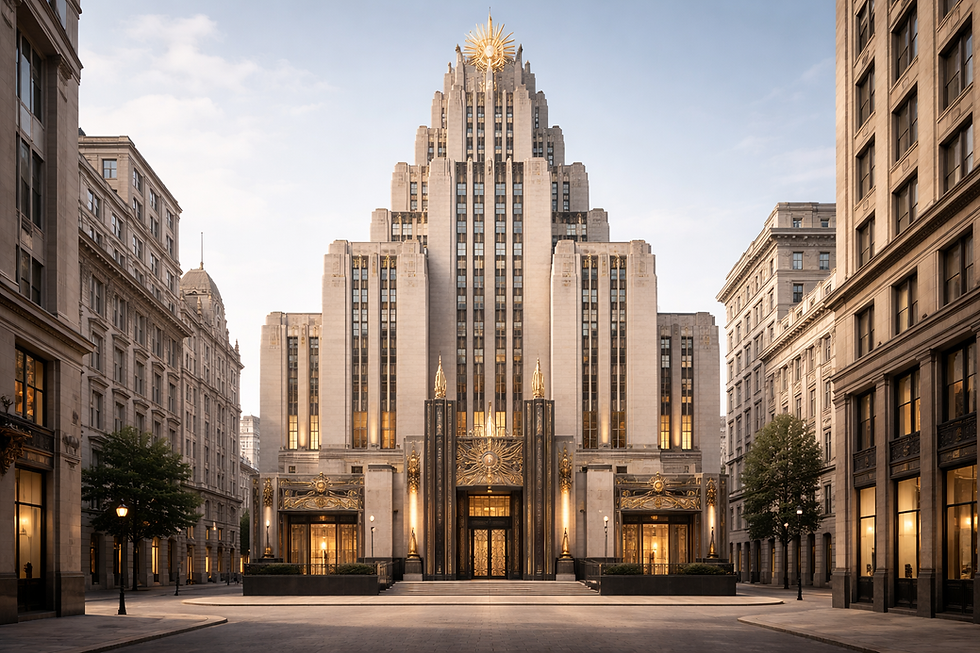
Architettura Art Deco ha catturato l'ottimismo del periodo tra le due guerre attraverso la geometria audace, l'artigianato raffinato e i materiali moderni. È sorta negli anni Venti e si è affermata negli anni Trenta, plasmando skyline, cinema, hotel e landmark civici. I suoi edifici spesso segnalano il progresso attraverso l'enfasi verticale, la simmetria e l'ornamentazione attentamente dosata. Oggi lo stile rimane un punto di riferimento fondamentale per il design dei primi modernisti e l'identità urbana.
Nelle sezioni seguenti, l'architettura Art Deco è ripercorsa dalle sue radici nell'esposizione parigina del 1925 fino alla sua diffusione globale. Quindi vedrai come le sue forme, i motivi e i materiali lavorano insieme negli edifici reali. Successivamente, l'articolo confronta lo Streamline Moderne con la composizione Deco precedente. Infine, esamina i principali progettisti, i casi studio urbani e i risultati della conservazione, incluso il riconoscimento UNESCO a Mumbai.

Cos'è l'architettura Art Deco?
Art Deco è uno stile architettonico decorativo moderno che unisce la forma geometrica, l'ornamento stilizzato e i materiali dell'era industriale. Il termine deriva dall'Exposition Internationale des Arts Décoratifs et Industriels Modernes di Parigi del 1925, che ha promosso una nuova visione dell'arte decorativa e industriale moderna. Questo evento successivamente ha dato al movimento il suo nome oggi ampiamente utilizzato.
In termini architettonici, l'Art Deco occupa una posizione tra il classicismo Beaux Arts e il Modernismo essenziale. Abbraccia edifici alti, contesti urbani densi e nuove tecnologie costruttive. Tuttavia, esprime la modernità attraverso la ricchezza visiva piuttosto che la pura semplicità funzionale.
Gli edifici Art Deco tipici condividono diverse caratteristiche distintive:
Composizione geometrica e simmetrica
Forte enfasi verticale, soprattutto nelle strutture alte
Ornamento stilizzato, inclusi zigzag, chevron e raggi solari
Uso di materiali moderni e di lusso, come pietra, metallo, vetro, terrazzo e lacca
L'architettura Art Deco si è sviluppata da diverse correnti artistiche dell'inizio del XX secolo. La sua chiarezza geometrica riflette il Cubismo e la Secessione viennese, mentre il suo colore e motivo provengono dal design scenico dei Balletti Russi e dal Fauvismo. I progettisti hanno anche adattato motivi dall'antico Egitto, dalle culture precolombiane e dalle tradizioni decorative dell'Asia orientale in forme geometriche moderne.
La pietra miliare decisiva fu l'esposizione parigina del 1925, che ha presentato una visione moderna e lungimirante della modernità decorativa. Con migliaia di espositori e milioni di visitatori, ha confermato un ampio interesse per un'estetica moderna eppure lussuosa. Di conseguenza, lo stile si è diffuso rapidamente in Europa e nelle Americhe.
Tra la fine degli anni Venti e gli anni Trenta, l'Art Deco si affermò in diversi settori edili. Questi includevano grattacieli nordamericani, edifici civici e per i trasporti europei, e architetture per l'intrattenimento in tutto il mondo. Dalla metà degli anni Trenta emerse una tendenza correlata chiamata Streamline Moderne, che semplificava le forme ed enfatizzava le curve orizzontali ispirate dall'aerodinamica.
Caratteristiche principali e componenti dell'architettura Art Deco
Forme e composizione
Gli edifici Art Deco sono spesso riconoscibili per la loro massa e sagoma. Gli architetti utilizzavano profili sfalsati e arretramenti negli edifici alti, creando la ben nota forma a torta nuziale. I pilastri verticali e le finestre raggruppate guidano lo sguardo verso l'alto e rafforzano il senso di altezza.
Le facciate sono solitamente simmetriche e chiaramente organizzate intorno a assi centrali o a campate ripetute. Queste composizioni rispondevano sia alle normative di zonizzazione che al desiderio di simboleggiare il progresso verso l'alto e la fiducia tecnologica.
Ornamento e motivi
L'ornamento nell'architettura Art Deco è astratto e stilizzato piuttosto che letterale. I progettisti riducevano i riferimenti naturali e storici in chiari motivi geometrici che potevano essere ripetuti efficientemente. I motivi comuni includono:
Motivi a zigzag e a chevron su fregi e spandrel
Disegni a raggiera utilizzati in corone, porte e pannelli metallici
Forme floreali e organiche stilizzate ridotte a curve e sfaccettature
Riferimenti culturali antichi filtrati attraverso il design geometrico
Simboli dell'era della macchina come ingranaggi, linee di velocità e emblemi
La corona del Chrysler Building di New York è un esempio classico, che combina geometria raggiata con imagery ispirata alla macchina.
Materiali e Tecnologia
L'architettura Art Deco ha fatto ampio uso di progressi costruttivi dei primi anni del ventesimo secolo. Le strutture in acciaio e il cemento armato hanno permesso costruzioni più alte e layout interni più flessibili. Questi sistemi hanno anche consentito rivestimenti di facciata sottili e ornamenti precisi.
I materiali tipici includono rivestimenti in pietra, mattone e terracotta, spesso combinati con metalli decorativi. Alluminio, cromo e acciaio inossidabile compaiono su corone, porte e spandrel. Gli interni presentano frequentemente blocchi di vetro, pavimenti in terrazzo, legno laccato e metallo intarsiato, rafforzando il senso di lusso e modernità.
Tipologie e Programmi Edilizi Art Deco
Lo stile si adattava facilmente a molte funzioni edilizie, il che ha supportato la sua rapida diffusione globale. Le tipologie edilizie Art Deco comuni includono:
Grattacieli e edifici per uffici
Cinema e spazi di intrattenimento
Hotel e resort sul mare
Stazioni ferroviarie e strutture di trasporto
Blocchi residenziali di appartamenti
Radio City Music Hall presso il Rockefeller Center dimostra questa versatilità. La sua macchinaria di scena avanzata funziona insieme agli interni di Donald Deskey, combinando innovazione tecnica con impatto decorativo.
Come sono stati concepiti e costruiti gli edifici Art Déco?
Molti architetti Art Déco si sono formati nella tradizione Beaux Arts, che enfatizzava gerarchia, simmetria e composizione. Questi principi hanno plasmato come i progetti si sono sviluppati dalla scala urbana al dettaglio architettonico.
La progettazione iniziava solitamente con studi di masse allineate agli involucri normativi e alle linee di vista. Gli schemi di facciata e l'ornamentazione erano coordinati con griglie strutturali, assicurando che la decorazione ne rafforzasse il ritmo piuttosto che oscurarla. I simboli aziendali e i rilievi a tema meccanico spesso comunicavano funzione e identità.
Il coordinamento dei materiali era centrale nel processo. Pietra, metallo, vetro e finiture interne formavano una narrazione visiva unitaria. L'illuminazione elettrica e la segnaletica al neon erano trattate come elementi architettonici, soprattutto nei cinema e nei paesaggi urbani commerciali.
Importanza e eredità nella storia dell'architettura
L'architettura Art Déco rappresenta una transizione critica tra lo storicismo e il Modernismo pieno. Mostra come gli edifici moderni iniziali potevano adottare nuove tecnologie senza abbandonare l'ornamento. Lo stile si è rivelato anche efficace nell'esprimere identità aziendale, ambizione civica e spettacolo urbano.
La sua eredità rimane forte oggi. Il Miami Beach Art Deco Historic District contiene più di 800 edifici preservati e svolge un ruolo importante nel turismo e nel branding della città. A Mumbai, gli insiemi vittoriani gotici e Art Déco intorno all'Oval Maidan sono riconosciuti come Patrimonio dell'Umanità UNESCO.
Recenti mostre e programmi di conservazione a Parigi, Bruxelles e altre città dimostrano che il movimento continua a informare i dibattiti su patrimonio, modernità e cambiamento urbano.
Vantaggi e limitazioni dell'architettura Art Déco
L'Art Déco offre numerosi vantaggi durevoli. Fornisce un'identità visiva chiara che le città possono utilizzare per il riconoscimento culturale. Lo stile si adatta a molti tipi di edifici e scale, incoraggiando nel contempo la collaborazione tra architetti, artisti e artigiani.
Tuttavia, presenta anche limitazioni. I costi di costruzione e manutenzione possono essere elevati a causa dei dettagli complessi e dei materiali premium. Lo stile era in conflitto con gli ideali minimalisti della metà del secolo, e oggi le norme di preservazione possono complicare i miglioramenti energetici e gli adeguamenti di accessibilità.
Idee sbagliate comuni sullo stile Art Déco
Non tutti gli edifici degli anni Venti e Trenta sono Art Deco. Molti appartengono a tradizioni neoclassiche, eclettiche o dello Stile Internazionale che privilegiano l'espressione funzionale. Lo stile inoltre non è limitato all'Europa o al Nord America, con importanti complessi a Mumbai, Shanghai e Rio de Janeiro.
Lo Streamline Moderne viene spesso confuso con lo stesso Deco. È meglio inteso come un ramo successivo che ammorbidisce le forme e enfatizza il movimento orizzontale. Infine, l'Art Deco non riguarda solo il lusso. Molte scuole, blocchi residenziali e strutture pubbliche hanno utilizzato elementi Deco semplificati per trasmettere modernità a costi contenuti.
Punti Chiave
L'architettura Art Deco è emersa negli anni Venti e Trenta come uno stile decorativo moderno
Combina forme geometriche, ornamenti stilizzati e materiali industriali
Il movimento ha acquisito identità attraverso l'esposizione di Parigi del 1925
Grattacieli, cinema, hotel e abitazioni hanno adottato lo stile in tutto il mondo
Lo Streamline Moderne rappresenta un'evoluzione successiva, più aerodinamica
La conservazione in città come Miami e Mumbai evidenzia il suo valore duraturo
Domande frequenti
Perché l'architettura Art Deco è declinata dopo gli anni Trenta?
L'Art Deco è declinato a causa dei vincoli economici seguiti alla Grande Depressione e all'influenza crescente del modernismo funzionalista, che privilegiava la semplicità, l'efficienza e la riduzione dell'ornamentazione.
In che modo l'architettura Art Deco differisce dal modernismo dello Stile Internazionale?
L'Art Deco enfatizza l'ornamento, il simbolismo e l'identità visiva, mentre il modernismo dello Stile Internazionale privilegia l'espressione funzionale, il minimalismo e l'assenza di decorazione.
Quale ruolo ha avuto l'Art Deco nell'architettura aziendale e commerciale?
L'Art Deco ha permesso alle aziende di comunicare progresso, potenza e modernità attraverso forme monumentali, ornamenti brandizzati e immagini architettoniche simboliche.
L'architettura Art Deco continua a influenzare il design contemporaneo?
Sì. L'architettura contemporanea e il design degli interni continuano a fare riferimento all'Art Deco attraverso motivi geometrici, contrasti di materiali, enfasi verticale e dettagli stilizzati.
Come hanno influenzato le normative urbanistiche il design dei grattacieli Art Deco?
Le normative urbanistiche, in particolare nelle città come New York, hanno influenzato la composizione a gradini e i rientramenti, che divennero caratteristiche formali distintive dei grattacieli Art Deco.
Quali sono le sfide nel conservare gli edifici Art Deco oggi?
La conservazione degli edifici Art Deco comporta sfide come il ripristino di materiali invecchiati, la manutenzione di ornamenti complessi, il miglioramento delle prestazioni energetiche e la conformità ai codici edilizi moderni, preservando al contempo il valore storico.