Aggiornato il: 19 dicembre 2025
Previous post
Add paragraph text. Click “Edit Text” to update the font, size and more. To change and reuse text themes, go to Site Styles.
Next post
Add paragraph text. Click “Edit Text” to update the font, size and more. To change and reuse text themes, go to Site Styles.
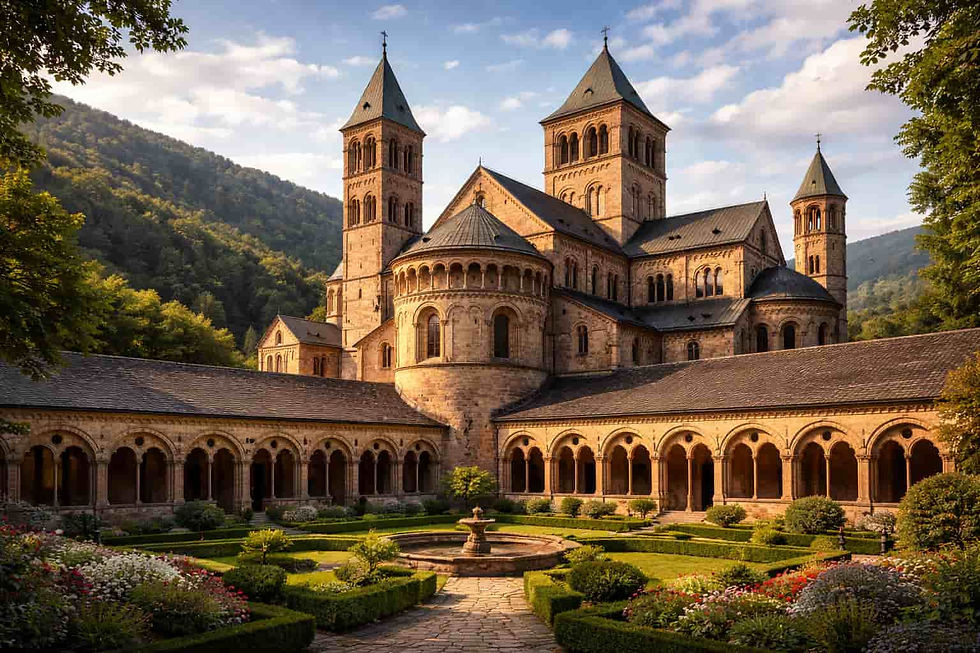
L'architettura romanica fu il primo vero stile architettonico paneuropeo del Medioevo. Ha caratterizzato chiese, monasteri e cattedrali in gran parte dell'Europa occidentale e centrale. Con i suoi spessi muri in pietra, gli archi arrotondati e le forme simili a fortezze, continua a definire come molte persone visualizzano l'architettura medievale.
Questa guida spiega cos'è l'architettura romanica e come riconoscerla. Copre il contesto storico, le caratteristiche strutturali fondamentali, i piani tipici delle chiese, le variazioni regionali e importanti esempi come la Cattedrale di Spira, la Cattedrale di Durham, la Cattedrale di Pisa e la Chiesa di Saint-Sernin a Tolosa. L'articolo esplora anche il suo rapporto con l'architettura gotica, la sua successiva rinascita e il suo perdurante lascito.

Cos'è l'architettura romanica?
L'architettura romanica è uno stile medievale europeo che si sviluppò approssimativamente dal X all'inizio del XIII secolo, con il suo apogeo negli XI e XII secoli. È caratterizzato da archi semicircolari, dalla costruzione massiccia in muratura e dall'uso diffuso di volte in pietra. Il termine "romanico" significa "alla maniera romana" e sottolinea il suo debito verso le tecniche costruttive romane antiche.
Le chiese e cattedrali romaniche generalmente presentano aperture a forma di arco, volte a botte o a crociera e sostegni massicci. I muri in pietra spessa, le piccole finestre e i profili compatti e squadrati creano un forte senso di solidità. Nella storia dell'architettura medievale, lo stile romanico forma un ponte strutturale e stilistico tra gli esperimenti altomedievali e le successive cattedrali gotiche.
Contesto storico e affermazione dello stile romanico
L'architettura romanica si sviluppò in un periodo di crescente stabilità politica e consolidamento istituzionale. Le strutture feudali stavano maturando, e l'Impero Romano Germanico e altri regni regionali richiedevano edifici monumentali durevoli. Le chiese e le cattedrali in pietra divennero segni visibili di autorità e continuità.
L'architettura carolingia e ottoniana precedenti avevano già ripreso il piano basilicale, la westwork e le grandi chiese in pietra. I costruttori romanici estesero questi precedenti standardizzando le volte in pietra su scala molto più ampia. Il risultato fu un linguaggio architettonico condiviso che poteva essere riconosciuto in tutta la Cristianità latina.
Anche i movimenti di riforma monastica, in particolare l'ordine cluniacense, svolsero un ruolo fondamentale. L'Abbazia di Cluny e i suoi monasteri affiliati incoraggiavano chiese spaziose con cori estesi, multiple cappelle e absidi elaborate. Allo stesso tempo, il crescente traffico dei pellegrini, in particolare verso Santiago di Compostela, creò una domanda di grandi e durevoli chiese di pellegrinaggio. Queste combinavano volte in pietra, percorsi di circolazione chiari e strutture robuste per sostenere l'uso intensivo.
Caratteristiche fondamentali dell'architettura romanica
Massa e struttura
Gli edifici romanici sono dominati dalla loro massa. I muri in pietra spessa e i pilastri massicci formano il nucleo del sistema strutturale. Sono progettati per ricevere i carichi significativi e le spinte laterali prodotte dalle volte in pietra.
Dall'esterno, molte chiese romaniche assomigliano a complessi fortificati. Le aperture limitate, i contrafforti massicci e le torri prominenti contribuiscono al loro aspetto simile a una fortezza. Questo linguaggio visivo supportava sia le necessità pratiche che i messaggi simbolici di forza e protezione.
Archi e Volte
La caratteristica più riconoscibile dell'architettura romanica è l'arco semicircolare. Gli archi semicircolari incorniciano portali, finestre, arcate e gallerie. Derivano da prototipi romani ma sono adattati alle esigenze liturgiche e spaziali medievali.
Gli interni romanici utilizzano tipicamente un piccolo insieme di tipi di volta:
Volte a botte: volte continue a forma di tunnel che percorrono la navata
Volte a crociera: prodotte dall'intersezione di due volte a botte, comuni sopra le navate laterali e le cripta
Prime volte a costoloni: in alcuni edifici romanici tardivi o proto-gotici, come la Durham Cathedral, i costoloni articolano e sostengono la superficie della volta
Queste volte rendono gli interni più resistenti al fuoco rispetto ai tetti in legno e consentono spazi più ampi e unificati.
Organizzazione Spaziale e Luce
L'interno di una chiesa romanica ha solitamente un layout chiaro e regolare. Una lunga navata è fiancheggiata da una o più navate laterali. La navata è spesso coperta da una volta a botte, mentre le navate laterali sono coperte con volte a crociera. I percorsi processuali e di pellegrinaggio sono definiti da questa disposizione.
Le finestre sono tipicamente piccole e profondamente incassate nello spessore della parete. Queste finestre piccole, combinate con le pesanti pareti, producono interni relativamente bui rispetto ai successivi edifici gotici. La luce è selettiva piuttosto che abbondante, rafforzando il carattere raccolto e introspettivo dello spazio.
Articolazione Verticale ed Elevazione
Romanesque church elevations often follow a layered structure:
Al livello del terreno, una navata arcade separa la navata dalle navate laterali
Sopra di essa, una galleria o tribuna può correre sopra le navate laterali
In alcuni casi, un alto cleristorio introduce luce aggiuntiva nella navata
Questa disposizione crea un forte ritmo verticale e divide l'interno in campate strutturali ripetute. Il sistema di campate organizza sia la struttura che l'esperienza visiva dello spazio.
Arcate decorative e arcate cieche
L'architettura romanica usa frequentemente arcate decorative e arcate cieche per animare le superfici murarie. Queste sono serie di piccoli archi applicati al muro, a volte senza aperture dietro di essi.
Tali elementi sono particolarmente associati al Romanico lombardo e ad alcuni lavori normanni. Interrompono la muratura altrimenti liscia, enfatizzano linee orizzontali o verticali e forniscono un vocabolario ornamentale semplice ma efficace.
Scultura romanica
La scultura è parte integrante di molti edifici romanici. Appare non solo come opera d'arte separata ma anche come parte del tessuto architettonico.
Gli elementi scultorei chiave includono:
Rilievi del timpano sopra i portali, spesso raffiguranti il Giudizio Universale, Cristo in Maestà o il santo patrono della chiesa
Capitelli istoriati, dove i capitelli di colonne o pilastri sono scolpiti con narrazioni bibliche, animali simbolici o allegorie morali
Modanature scolpite e dettagli figurativi lungo portali, cornici e schermi del coro
Questi programmi scultorei creano un framework visivo per l'insegnamento e la riflessione, specialmente nelle comunità con alfabetismo limitato.
Romanico vs Gotico e Architettura Medievale Precedente
All'interno dello spettro degli stili architettonici medievali, il Romanico occupa una posizione transitoria tra le tradizioni carolingia e ottoniana precedenti e il successivo sistema gotico.
Il confronto del Romanico con altri stili medievali chiarisce il suo ruolo distintivo. Gli edifici carolingi e ottoniani più antichi hanno ripreso elementi dell'architettura romana e paleocristiana, ma hanno usato le volte in modo più selettivo. L'architettura romanica ha sistematizzato le volte in pietra nelle grandi chiese e le ha diffuse in tutta Europa.
La transizione dal Romanico al Gotico ha comportato diversi cambiamenti strutturali e visivi fondamentali:
Il Romanico si basa su archi semicircolari, mentre il Gotico adotta archi a sesto acuto
Il Romanico utilizza muri spessi e finestre modeste; il Gotico impiega sistemi di supporto più efficienti e ampie vetrate colorate
Le chiese romaniche appaiono pesanti, compatte e relativamente basse; le cattedrali gotiche tendono a essere più alte, leggere e fortemente verticali
Filoni regionali come l'architettura normanna, il Romanico lombardo e il Romanico renano mostrano soluzioni intermedie e esperimenti che conducono al periodo gotico.
L'Esperienza dello Spazio e della Luce nelle Chiese Romaniche
Le chiese romaniche creano un'esperienza spaziale distinta basata su ordine, chiusura e luce controllata. Il progetto guida il visitatore lungo la navata verso il coro e l'abside. Gli archi trasversali e le campate strutturano il movimento e focalizzano l'attenzione sull'area dell'altare.
All'interno, il volume è definito da volte, pilastri e arcate piuttosto che da grandi finestre.
Lo spazio risultante si presenta robusto e chiaramente definito. Il suono viaggia lungo le superfici in pietra, producendo una lunga riverberazione che si adatta al canto e alla liturgia parlata.
La luce è presente ma misurata. Le aperture sono collocate per enfatizzare il santuario, gli altari o specifici elementi scultorei. La combinazione di luce selettiva, superfici in pietra e, dove conservate, decorazioni dipinte conferisce agli interni romanici una forte qualità atmosferica.
Architettura Romanica nelle regioni europee
Francia
La Francia contiene alcune delle chiese romaniche più influenti del mondo. Regioni come la Borgogna e il sud-ovest sono state leader nell'architettura monastica e dei pellegrinaggi.
Saint-Sernin, Tolosa è una grande chiesa di pellegrinaggio sulla via verso Santiago di Compostela. Presenta una lunga navata a volta a botte, navate laterali a volta a crociera, un transetto ampio e un coro con deambulatorio e cappelle radiali. Questa disposizione consente ai pellegrini di circolare attorno alla reliquia senza interrompere i servizi all'altare maggiore.
Sacro Romano Impero / Germania
Nelle terre del Sacro Romano Impero, le cattedrali imperiali esprimono sia l'autorità religiosa che quella politica. La cattedrale di Spira è un esempio eccellente. È la più grande chiesa romanica superstite ed è stata costruita come luogo di sepoltura per gli imperatori.
Spira combina una lunga navata voltata, una vasta cripta a sala, molteplici torri e un'elevazione attentamente equilibrata. La sua scala e ambizione strutturale la rendono un riferimento chiave per comprendere l'ingegneria romanica e la rappresentazione imperiale.
England (Norman Architecture)
In Inghilterra, il Romanico è spesso chiamato architettura normanna, dal riferimento alla Conquista normanna del 1066. I costruttori normanni introdussero grandi chiese in pietra con caratteristici ornamenti a zigzag e dettagli robusti.
La Cattedrale di Durham è uno degli edifici romanici normanni più importanti. La sua navata e il coro utilizzano massicce colonne cilindriche con motivi scolpiti e alcuni dei più antichi volti a costoloni conosciuti su uno spazio ampio. Questa combinazione rende Durham un ponte tra il Romanico e la pratica gotica primitiva.
Italia (Romanico lombardo e Pisa)
Il Romanico italiano mostra una forte variazione regionale. Nel nord e nel centro Italia, il Romanico lombardo presenta spesso arcate cieche, cornici orizzontali e l'uso di mattone e pietra.
La Cattedrale di Pisa, parte del celebre complesso in Piazza dei Miracoli, ha una pianta basilicale, facciate arcate e marmo striato. Dimostra come i principi romanici potessero essere arricchiti con materiali locali e tradizioni decorative.
Penisola Iberica
Nella Penisola Iberica, l'architettura romanica si fonde con i costumi costruttivi locali e, in alcune aree, con influenze mozarabe. I percorsi di pellegrinaggio e le condizioni di frontiera plasmano la distribuzione e il carattere delle chiese e dei monasteri.
Planimetrie, sistemi voltati e scultura seguono schemi romanici generali ma sono adattati ai tipi di pietra regionali, ai climi e ai contesti storici. Questa varietà sottolinea la flessibilità del repertorio romanico.
Simbolismo religioso e programmi decorativi scultorei
Le chiese romaniche funzionano sia come strutture visive che liturgiche. L'architettura, la scultura e, originariamente, la pittura operano insieme per presentare narrazioni religiose e dottrine.
I programmi decorativi dei portali con rilievi nel timpano comunemente mostrano scene come il Giudizio Universale, Cristo in maestà, oppure episodi chiave della vita del santo patrono della chiesa. Passare sotto queste immagini segna una transizione dal mondo profano a un ambiente sacro.
All'interno, i capitelli storiati raffigurano storie bibliche, virtù e vizi, e creature simboliche. Questi intagli si combinano con dipinti murali, dove si sono conservati, per formare un sistema didattico completo. Forme planimetriche come la pianta a croce latina rafforzano i simboli cristiani fondamentali attraverso la geometria complessiva dell'edificio.
Ornamentazione, Materiali e Artigianato
L'ornamento romanico è generalmente più sobrio rispetto a quello successivo dell'architettura gotica o barocca, ma rimane comunque significativo. Il materiale principale è la pietra, con variazioni regionali nel tipo e nel colore. I giunti di muratura, i motivi di lavorazione e le finiture superficiali contribuiscono tutti all'effetto visivo.
Molti interni romanici erano originariamente dipinti. Cicli di affreschi ricoprivano muri, volte e talvolta elementi scolpiti, aggiungendo colore e profondità narrativa. In molti edifici, questa policromia è andata perduta o sopravvive solo in frammenti, causando che gli interni appaiano oggi più sobri rispetto al Medioevo.
Gli scultori e i muratori hanno svolto un ruolo centrale nel plasmare l'immagine architettonica. Le cornici delle porte, i capitelli, i cordoli e i mensoloni spesso presentano intagli dettagliati. Questi elementi dimostrano sia l'abilità tecnica che un vocabolario ornamentale coerente tra le regioni.
Architettura Fortificata e l'Espressione del Potere
Il linguaggio romanico non è limitato agli edifici religiosi. Princìpi costruttivi simili e forme visive analoghe compaiono in castelli, mura cittadine, torri e porte. Gli archi arrotondati, i muri spessi e le aperture strette sono efficaci sia strutturalmente che difensivamente.
Le cattedrali e i principali monasteri fungono anche da centri di potere all'interno delle città medievali e dei paesaggi. Le loro dimensioni, altezza e permanenza in pietra le distinguono dalle strutture circostanti. Le torri e i westwork sono visibili da lontano, rafforzando la presenza delle autorità ecclesiastiche e laiche.
I complessi monastici spesso includono chiostri, edifici agricoli, officine e strutture di ospitalità. Insieme alle loro chiese, questi insiemi costituiscono nodi di attività economica, amministrativa e spirituale, tutti espressi attraverso una costruzione romanica duratura.
Costruttori Chiave, Mecenati e Ordini Monastici
L'architettura romanica raramente è associata a singoli "architetti celebri" nel senso moderno. Piuttosto, emerge dalla collaborazione di maestri muratori, laboratori locali e mecenati istituzionali.
Gli ordini monastici, in particolare i Cluniacensi e successivamente i Cistercensi, hanno promosso specifici modelli di pianificazione e decorazione delle chiese. I vescovi e i capitoli cattedralizi hanno commissionato grandi chiese urbane, mentre i re e gli imperatori hanno patrocinato cattedrali e abbazie che esprimessero il loro status e le loro rivendicazioni di legittimità.
L'Abbazia di Cluny e la sua rete esemplificano come le idee sulla liturgia e l'organizzazione spaziale potessero diffondersi attraverso legami organizzativi. Attraverso tali reti, elementi standard del progetto delle chiese romaniche furono gradualmente adottati in vaste regioni.
Diffusione ed Evoluzione dello Stile Romanico
L'architettura romanica si diffuse principalmente in Europa. Le fondazioni monastiche, i percorsi di pellegrinaggio e i legami politici trasmisero forme e tecniche tra le regioni. Sebbene lo stile non divenne globale come fecero gli stili europei successivi, raggiunse un'impressionante diffusione e coerenza interna.
Le conquiste normanne portarono le forme romaniche in Inghilterra e in parti del Mediterraneo. Altrove, le scuole lombarda, renana e altre scuole regionali adattarono il vocabolario comune di archi, volte e articolazioni murarie alle tradizioni locali.
Nel corso del tempo, questi idiomi regionali divennero più differenziati. Fornirono il punto di partenza da cui l'architettura gotica svilupperebbe soluzioni diverse a sfide strutturali e liturgiche simili.
Dall'Architettura Romanica al Gotico
Verso la metà del XII secolo, molti edifici romanici mostrano tendenze sperimentali. Le campate delle volte aumentano, i supporti diventano più raffinati, e gli archi a sesto acuto compaiono accanto a quelli arrotondati. Questi sviluppi riflettono un crescente interesse per l'altezza, la luce e sistemi strutturali più flessibili.
L'architettura gotica si costruisce su questi progressi. Gli archi a sesto acuto, le volte a nervature pienamente sviluppate e i contrafforti esterni permettono ai costruttori di aprire aree murarie più ampie per le finestre e di elevare le volte significativamente più in alto. Il risultato è un'esperienza spaziale e visiva molto diversa, anche se la logica strutturale sottostante è correlata.
In pratica, la transizione dal Romanico al Gotico è graduale. Alcune cattedrali hanno i livelli inferiori romanici e le parti superiori o le facciate gotiche. Questi edifici ibridi documentano la lunga fase di sovrapposizione tra i due stili e rendono visibile l'evoluzione dal Romanico al Gotico in una singola struttura.
L'Eredità dell'Architettura Romanica
Oggi, le chiese e le cattedrali romaniche formano una parte importante del patrimonio architettonico europeo. Molte rimangono luoghi di culto attivi, destinazioni di pellegrinaggio e punti focali nei centri storici. I loro profili continuano a definire le identità regionali e urbane.
Nel XIX secolo, il Romanico Revival reinterpretò lo stile per nuove tipologie edilizie come edifici civici, complessi universitari e chiese. Gli archi arrotondati, la volumetria robusta e gli arconi semplici furono adattati a materiali edili e programmi moderni.
Per gli architetti contemporanei, l'architettura romanica offre lezioni sulla chiarezza strutturale, l'espressione materica e la composizione ritmica. La sua combinazione di robustezza funzionale e ornamentazione misurata continua a informare le discussioni sulla permanenza, sulla scala e sul ruolo dell'architettura nel plasmare l'esperienza collettiva.
Punti Chiave
Architettura romanica è uno stile medievale europeo che fiorì dal X al primo XIII secolo, raggiungendo il suo apogeo nell'XI e XII.
È caratterizzata da archi a tutto sesto, volte a botte e a crociera, muri in pietra massiccia, pilastri imponenti e finestre relativamente piccole.
La riforma monastica, le reti di pellegrinaggio e le ambizioni di re e imperatori contribuirono tutti alla diffusione delle forme romaniche.
L'architettura romanica fornì la base strutturale e spaziale per il successivo sviluppo delle cattedrali gotiche.
Esempi importanti includono la Cattedrale di Spira, la Cattedrale di Durham, la Cattedrale di Pisa, San Sernino a Tolosa e la former Abbazia di Cluny.
L'influenza dello stile si estende al Romanico Revival e al pensiero architettonico contemporaneo riguardante la massa, la struttura e l'atmosfera.
Domande frequenti
Perché le chiese romaniche sono così scure rispetto alle cattedrali gotiche?
Le chiese romaniche utilizzano muri in pietra massiccia e finestre relativamente piccole. Grandi aperture indebolirebbero i muri e renderebbero più difficile resistere alla spinta laterale delle volte in pietra. Di conseguenza, la luce naturale entra in modo controllato e limitato.
Le cattedrali gotiche impiegano archi a sesto acuto, volte a costoloni e contrafforti esterni per reindirizzare i carichi attraverso percorsi più efficienti. Questo consente superfici di finestre molto più grandi e, di conseguenza, interni più luminosi.
Come l'architettura romanica influenzò la pianificazione urbana e i layout monastici?
Le cattedrali e le abbazie romaniche spesso formavano i centri organizzativi dei borghi medievali e dei distretti rurali. Mercati, sedi di corporazioni e aree residenziali si concentravano attorno alle chiese principali. Percorsi processionali, strade e piazze prendevano forma in relazione a questi punti focali.
I complessi monastici seguivano piani strutturati con chiostri, refettori, dormitori e spazi di lavoro disposti attorno a una corte centrale. La chiesa e gli edifici ad essa associati creavano unità autosufficienti che influenzavano i modelli economici e spaziali locali.
Quali tecniche costruttive hanno reso possibili le grandi volte in pietra?
I costruttori romanici utilizzavano centine in legno
e ponteggi per costruire volte in pietra. Per prima cosa, i muri e i pilastri venivano elevati fino all'altezza di imposta. Quindi i carpentieri erigevano una struttura in legno che supportava le nervature della volta e le superfici durante la costruzione.
I muratori posavano le pietre lungo le centine fino a quando la volta non veniva chiusa con una chiave di volta o pietre di chiusura. Una volta che la malta si indurisce e il percorso dei carichi si stabilizzava, il legname poteva essere rimosso. Muri spessi, contrafforti o navate laterali aiutavano a resistere alla spinta verso l'esterno della volta terminata.
Come gli ordini monastici come i Cluniacensi hanno plasmato il design delle chiese romaniche?
L'ordine cluniacense seguiva una liturgia e una routine monastica relativamente standardizzate. Questo richiedeva disposizioni spaziali specifiche, inclusi ampi cori, multiple cappelle laterali e absidi estese verso est. Cluny e le sue abbazie filiali pertanto promuovevano piante con lunghe navate, complessi chevet e talvolta multipli transetti.
Queste soluzioni si diffusero attraverso la rete cluniacense e influenzarono anche le chiese non cluniacensi. Nel tempo, contribuirono a un riconoscibilepattern romanico per le grandi chiese monastiche e di pellegrinaggio.
Quali significati simbolici sono incorporati nella scultura e nei capitelli romanici?
I programmi scultorei romanici spesso portanocontenuti didattici e morali. Le scene dei timpani presentano temi teologici chiave come il giudizio, la salvezza e l'intercessione. Incorniciano l'ingresso della chiesa in termini di scelte spirituali e conseguenze.
I capitelli istoriati illustrano storie bibliche, virtù, vizi e animali simbolici. Queste immagini servono come ausili visivi per l'insegnamento e la contemplazione. I motivi vegetali possono riferirsi al paradiso o alla creazione, mentre le creature ibride possono simboleggiare la lotta spirituale o la tentazione.
Perché gli edifici romanici hanno un aspetto diverso in Francia, Inghilterra, Germania e Italia?
L'architettura romanica condivide una logica strutturale comune ma si adatta alle condizioni locali.Gli esempi francesi spesso enfatizzano i piani di pellegrinaggio e i complessi absidi verso est.Il romanico tedesco favorisce più torri e ampi cripta nelle cattedrali imperiali.
InInghilterra, l'architettura normanna è caratterizzata da pilastri massicci e un ornamento a zigzag caratteristico. InItalia, particolarmente in Lombardia e Pisa, lo stile integra muratura in laterizio, striature in marmo e arcate decorative. Queste differenze regionali riflettono variazioni nei materiali, nell'artigianato, nel clima e nel mecenatismo.
Ci sono edifici moderni o in stile Revival ispirati dall'architettura romanica?
Sì. Il Romanesque Revival del XIX e inizio XX secolo ha adattato le forme romaniche per nuove funzioni, incluse università, tribunali e chiese. Gli archi arrotondati, la muratura pesante e le arcade semplici erano caratteristiche comuni in questi progetti.
Gli architetti contemporanei talvolta si ispirano ai principi romanici piuttosto che alle sue forme esatte. Possono fare riferimento all'enfasi sulla massa, leggibilità strutturale e ritmo delle campate utilizzando materiali e metodi costruttivi moderni.