Aggiornato il: 16 dicembre 2025
L'architettura rinascimentale ha rappresentato un netto cambiamento nella concezione, proporzione ed esperienza degli edifici europei. Gli architetti guardavano all'antica Roma per creare un nuovo linguaggio di simmetria, geometria e scala umana. Guidati dall'umanesimo e dalla teoria classica riscoperta, progettarono chiese, palazzi e edifici civici che ancora oggi definiscono molti centri storici urbani.
In questa guida troverai il contesto storico del movimento, seguito dai suoi principi fondamentali, materiali e vocabolario architettonico. Esplorerai anche le varianti regionali, le idee di pianificazione urbana e il ruolo del mecenatismo e dei trattati architettonici. L'articolo si conclude con le figure chiave, gli edifici simbolo, i confronti con l'architettura gotica e i movimenti successivi, e i punti salienti finali.

Che cos'è l'architettura rinascimentale?
L'architettura rinascimentale è una tradizione costruttiva europea che si sviluppò all'inizio del quindicesimo secolo quando gli architetti riscoprirono le forme, le proporzioni e i principi dell'antichità classica. È definita da simmetria, chiarezza geometrica e dall'uso controllato e razionale degli ordini classici.
I progettisti applicarono la proporzione matematica, la prospettiva lineare e le idee umaniste per creare chiese, palazzi e spazi civici che enfatizzassero l'equilibrio e l'ordine. Lo stile segnò una rottura dalla complessità verticale dell'architettura gotica e stabilì un nuovo linguaggio architettonico che plasmò gli ambienti urbani in tutta Italia e successivamente in gran parte dell'Europa.
Origini e contesto storico dell'architettura rinascimentale
Il nuovo stile emerse nella Firenze del primo quindicesimo secolo. Studiosi e costruttori analizzarono le strutture romane sopravvissute e i testi per sviluppare un vocabolario architettonico nuovo. In contrasto con l'architettura gotica, perseguirono forme equilibrate e geometria chiara. La stabilità politica e la crescita economica negli stati città italiani sostennero questa sperimentazione.
L'umanesimo fornì un importante quadro intellettuale. I pensatori enfatizzavano la ragione, l'educazione e lo studio dell'antichità. Il trattato di Vitruvio De architectura divenne un riferimento centrale. L'invenzione della stampa permise alle idee architettoniche di circolare in tutta Italia e poi attraverso la Francia, la Spagna, l'Inghilterra e l'Europa centrale.
Principi fondamentali dello stile architettonico rinascimentale
L'architettura rinascimentale nacque in un clima intellettuale profondamente coinvolto nella ricerca classica e nel ragionamento empirico. Gli architetti cercarono di ancorare il progetto alla chiarezza geometrica, alla disciplina proporzionale e all'indagine umanista.
Il loro lavoro riflette una mentalità che vedeva l'architettura non come un mestiere intuitivo, ma come un campo i cui principi potevano essere studiati, dimostrati e affinati. All'interno di questo approccio strutturato, persisteva una sottile sensibilità estetica. Questo gioco tra il metodo e l'espressività sottile ha plasmato la distinta identità visiva del periodo.
Geometria, ordine e simmetria
La geometria servì come strumento organizzativo fondamentale dell'architettura rinascimentale. Forme regolari come quadrati e cerchi furono utilizzate per strutturare piante, prospetti e persino relazioni volumetriche. Queste forme erano apprezzate per la loro chiarezza intrinseca e per la loro capacità di creare sistemi spaziali riconoscibili.
La simmetria rafforzava questa chiarezza. Gli architetti allineavano le aperture lungo assi stabili, producendo facciate che trasmettevano prevedibilità e razionalità. Occasionalmente, questo ordine era ammorbidito da modulate sottili del ritmo, permettendo a strutture governate matematicamente di assumere un cadenza visiva delicata.
Una sola deviazione dalla simmetria era rara e, quando presente, attentamente giustificata. Questo rivela quanto fortemente i progettisti rinascimentali credessero nell'autorità intellettuale della forma equilibrata.
Proporzione e armonia matematica
La proporzione costituiva il pilastro teorico centrale del periodo. Gli architetti rinascimentali abbracciarono sistemi di rapporti tratti da testi classici e dalla matematica contemporanea, utilizzandoli per regolare le dimensioni di ambienti, colonne, spalle e intere facciate.
Attraverso queste relazioni, l'architettura acquisì una coerenza che poteva essere misurata e verificata piuttosto che semplicemente percepita.
Il corpo umano forniva un modello secondario ma influente di ordine. La sua armonia percepita guidò l'stabilimento della scala, assicurando che le composizioni architettoniche si allineassero con l'esperienza umana. Ancorando il progetto spaziale sia alla matematica astratta che alla proporzione corporea, gli architetti crearono ambienti che si sentivano simultaneamente rigorosi e risonanti.
A volte queste strategie proporzionali erano articolate esplicitamente nei trattati, mentre in altri casi rimanevano incorporate nel processo di progettazione stesso.
Ripresa degli elementi classici
Il Rinascimento portò un reengagement sistematico con il vocabolario dell'antichità. Colonne, pilastri, trabeazioni e frontoni ricomparvero non come riferimenti decorativi ma come componenti governate dagli ordini classici. Il loro uso coerente permise agli architetti di articolare gerarchie strutturali con chiarezza.
Archi, volte e cupole furono studiati direttamente dai monumenti romani superstiti. Questa indagine empirica portò a una rinnovata comprensione della meccanica strutturale e delle prestazioni dei materiali. Una cupola, ad esempio, non era meramente un simbolo estetico ma una forma la cui stabilità derivava da una lunga stirpe storica di tecniche osservate.
In molti casi, i progettisti adattarono le forme classiche a nuovi contesti. Tali adattamenti rivelano il Rinascimento non come una semplice ripresa ma come una reinterpretazione critica dell'antichità.
Prospettiva e Logica Spaziale
Gli sviluppi della prospettiva lineare hanno avuto un impatto sostanziale sul pensiero architettonico. Gli interni erano organizzati secondo sequenze assiali che sottolineavano la profondità e la direzione, garantendo che l'esperienza spaziale aderisse a una logica visiva coerente.
Questo quadro prospettico si estendeva alle composizioni esterne. Le facciate erano modellate attraverso proiezioni calcolate e rientranze che rispondevano al punto di vista atteso dello spettatore. Tali calibrature permettevano agli edifici di apparire visivamente stabili e intellettualmente ordinati.
A volte, la manipolazione della prospettiva introduceva una forma controllata di drammaticità visiva, producendo il senso di uno spazio che si sviluppa gradualmente piuttosto che rivelarsi immediatamente.
Ornamentazione Controllata e Consapevole
L'ornamentazione nell'architettura rinascimentale era applicata con deliberata moderazione. I motivi decorativi articolavano le divisioni strutturali e chiarivano i sistemi proporzionali, piuttosto che occultarli. L'ornamento serviva la logica prima di servire l'abbellimento.
Quando utilizzato con cura, l'ornamento introduceva una dimensione espressiva discreta. Arricchiva le superfici senza diminuire la chiarezza geometrica sottostante. L'equilibrio risultante tra la disciplina strutturale e il dettaglio visivo controllato si pone come uno dei risultati più significativi del design rinascimentale.
Alcuni edifici impiegano l'ornamento così raramente che la sua presenza diventa quasi subliminale, contribuendo all'armonia generale senza mai esigere attenzione.
Caratteristiche dell'Architettura Rinascimentale
L'architettura rinascimentale è definita da un insieme di caratteristiche formali che riflettono il revival dell'antichità classica e la visione del mondo umanista emergente nel quindicesimo e sedicesimo secolo.
Gli architetti organizzavano gli edifici con una logica geometrica chiara, proporzioni misurabili e ritmi visivi ordinati. Queste caratteristiche distinguevano lo stile dall'enfasi verticale del design gotico e stabilivano un nuovo vocabolario architettonico basato sulla chiarezza razionale.
Caratteristiche Principali
Simmetria e composizione equilibrata
I piani e le elevazioni seguono disposizioni specchiate che allineano finestre, aperture e elementi strutturali lungo assi centrali. Questa simmetria crea facciate che appaiono coerenti e matematicamente ordinate.
Chiarezza geometrica nei piani e nelle forme
Gli architetti impiegavano forme geometriche semplici quali cerchi, quadrati e poligoni per strutturare gli spazi. Queste geometrie guidavano sia i piani che la massa degli edifici, producendo una logica architettonica coerente.
Uso degli ordini classici
Colonne e lesene seguivano gli ordini dorico, ionico, corinzio, composito e toscano. Questi sistemi definivano proporzioni, profili decorativi e gerarchia strutturale su facciate e interni.
Armonia proporzionale basata su rapporti matematici
I progettisti utilizzavano relazioni numeriche per correlare larghezze, altezze e profondità. Questi rapporti, derivati dai principi vitruviani, garantivano armonia tra i singoli componenti e l'intero edificio.
Archi rotondi e cupole emisferiche
Gli architetti rinascimentali rivisitarono la costruzione di archi romani e l'ingegneria delle cupole. Questi elementi sostituirono gli archi acuti gotici e le volte a costoloni, enfatizzando la chiarezza strutturale e l'allineamento orizzontale.
Facciate articolate con divisioni orizzontali
Trabeazioni, cornici e corsi di spalla creavano bande orizzontali ben definite che organizzavano i livelli di elevazione. Questo approccio contrastava con la verticalità dell'architettura gotica.
Ornamentazione controllata
La decorazione supportava la struttura piuttosto che sopraffarla. I dettagli intagliati, le modanature e gli elementi scultorei enfatizzavano la forma, la proporzione e il vocabolario classico invece della complessa traceria gotica.
Tipologie a pianta centrale e basilicale
Gli schemi centralizzati, ispirati dai templi classici e dagli edifici cristiani primitivi, esprimevano idee di armonia e unità. Le piante basilicali rimasero comuni per le chiese ma incorporarono l'ordine spaziale e la chiarezza rinascimentali.
Integrazione di cortili e logge
I cortili aperti organizzavano i palazzi e gli edifici civici, fornendo luce e ventilazione. Le logge collegavano lo spazio interno e esterno mentre incorniciavano vedute architettoniche controllate.
Uso della rusticazione ai piani terra
Le basi in muratura pesante rinforzavano i palazzi urbani e sottolineavano la stabilità strutturale. Il contrasto tra i piani terra rusticati e i piani superiori raffinati esprimeva una gerarchia all'interno delle facciate.
Ciascuna caratteristica riflette la più ampia ricerca rinascimentale di ordine intellettuale, revival classico e design antropocentrico. Nel loro insieme, questi elementi hanno formato un linguaggio architettonico coerente che ha caratterizzato edifici in tutta Italia e successivamente in tutta Europa.
La proporzione nell'architettura rinascimentale
La proporzione fungeva da strumento di progettazione centrale. Gli architetti utilizzavano semplici rapporti numerici per correlare larghezza, altezza e profondità. In altre parole, trattavano gli edifici come sistemi misurabili dove ogni parte si relaziona al tutto.
Leon Battista Alberti codificò molte di queste idee nel De re aedificatoria. Andrea Palladio le perfezionò nei I quattro libri dell'architettura con disegni misurati e progetti modello. I loro scritti collegavano l'armonia architettonica alle costruzioni geometriche e alle analogie del corpo umano.
Prospettiva e chiarezza spaziale
Gli sviluppi della prospettiva lineare nella pittura influenzarono il progetto architettonico. Porte allineate, lunghi assi e vedute incorniciate guidavano il movimento e lo sguardo. Questo generava sequenze spaziali che si percepivano come coerenti e dirette.
Gli architetti utilizzavano griglie modulari per strutturare gli interni. Campate ripetute definite da colonne o pilastri stabilivano il ritmo. Le altezze dei soffitti e i tipi di volte variavano in base alla funzione di ogni spazio, creando una chiara gerarchia spaziale.
Materiali e tecniche costruttive del periodo
I costruttori impiegavano materiali da costruzione noti ma li applicavano in modo controllato. La pietra e il mattone formavano la struttura principale di muri e volte. Il marmo spesso rivestiva visibilmente le facciate e i dettagli interni. Ornamenti in terracotta ed elementi in stucco completavano il sistema decorativo.
I metodi costruttivi combinavano l'artigianato tradizionale con la nuova ingegneria. La cupola della Cattedrale di Firenze di Brunelleschi utilizzava un'innovativa struttura a doppio guscio. Tecniche murarie come la bugnatura sottolineavano la base dei palazzi urbani. Volte e archi seguivano regole geometriche che potevano essere tracciate con attrezzi semplici.
Vocabolario architettonico ed elementi chiave
L'architettura rinascimentale si basava su un insieme di elementi architettonici chiari e codificati che aiutavano i progettisti a creare edifici coerenti. Questi elementi derivavano dallo studio diretto delle strutture romane antiche e dal rinnovato interesse per la teoria classica. Comprendere questo vocabolario spiega come gli architetti organizzavano le facciate, strutturavano gli interni ed esprimevano la gerarchia attraverso la forma.
Gli elementi tipici includono:
Colonna e pilastro utilizzati come supporti verticali che seguono gli ordini classici come dorico, ionico, corinzio, composito e toscano. Fornivano ritmo strutturale e misura visiva sulle facciate.
Trabeazione divisa in architrave, fregio e cornicione, che creava una banda orizzontale continua che univa le aperture e i piani.
Frontone posizionato sopra porte, finestre o porticati per enfatizzare gli ingressi importanti o gli assi centrali.
Loggia che funzionava come galleria aperta e coperta, collegando lo spazio interno a quello esterno mentre incorniciava le vedute.
Cornice che sporgeva nella parte superiore della parete per dare una chiara terminazione visiva all'elevazione.
Gli architetti utilizzarono anche tipologie planimetriche che supportavano gli ideali classici.
Le chiese a pianta centrale, spesso basate su cerchi, quadrati o poligoni, incarnavano idee di armonia e unità. Apparvero insieme al piano basilicale longitudinale, che rimase adatto per le congregazioni numerose. I cortili, un'altra caratteristica chiave, fornivano uno spazio esterno controllato che portava luce e aria negli ambienti urbani densi. Le loro proporzioni e gli arcate seguivano le stesse regole che governavano gli spazi interni.
Ogni elemento contribuì a un linguaggio architettonico coerente definito da proporzione, ordine e chiarezza. Questo vocabolario consentiva ai progettisti rinascimentali di comporre edifici con relazioni prevedibili tra le parti. Inoltre distingueva lo stile dalle forme gotiche sostituendo la complessità verticale con la geometria misurata e l'allineamento orizzontale.
Nel complesso, questi elementi formarono la base del movimento e ne modellarono l'influenza duratura sulla pratica architettonica europea.
Variazioni regionali dello stile architettonico rinascimentale
Gli esempi italiani rimangono i più studiati, ma lo stile si diffuse in tutta Europa con adattamenti regionali. In Francia, si fuse con tetti ripidi, lucernai e tradizioni costruttive locali. I châteaux della Valle della Loira combinavano dettagli italiani con silhouette alte. In Spagna, El Escorial rappresenta un'interpretazione più austera.
In Inghilterra, i modelli continentali influenzarono gradualmente il design delle dimore di corte e di campagna. Inigo Jones ebbe un ruolo chiave nel tradurre i principi palladiani. Anche le regioni dell'Europa centrale adottarono lo stile, fondendolo con le tradizioni locali negli edifici civici e nei castelli.
Pianificazione urbana e il concetto di città ideale
La pianificazione urbana divenne un campo importante di sperimentazione. La città ideale, nota come città ideale, collegava geometria, difesa e ordine civico. I progettisti proposero griglie stradali regolari, fortificazioni a stella e piazze proporzionate.
Le città medievali esistenti si trasformavano raramente completamente. Tuttavia, certi interventi applicavano queste idee su scale più piccole. Nuove piazze, strade raddrizzate e facciate ordinate miglioravano gli spazi urbani chiave. In parallelo, gli architetti crearono fronti edificati unificati lungo i fiumi o gli assi civici.
Mecenatismo e contesto socio-politico
Il mecenatismo ha determinato le localizzazioni e gli esiti dei progetti. Famiglie ricche come i Medici commissionavano palazzi e chiese che rispecchiavano pietà e status. I governi cittadini finanziavano municipi e logge per usi amministrativi e commerciali.
A Roma, il papato patrocinò importanti opere tra cui la Basilica di San Pietro. I monarchi di Francia e Spagna utilizzarono lo stile per residenze reali e fondazioni religiose. Di conseguenza, la diffusione del movimento si allineò strettamente con le ambizioni politiche e religiose.
Trattati architettonici e diffusione delle idee
I trattati architettonici contribuirono a sistematizzare ed esportare lo stile. L'opera di Alberti stabilì l'architettura come disciplina basata su regole e teoria. I libri illustrati di Serlio resero più facile la comprensione degli elementi classici.
I volumi di Palladio organizzavano ville, palazzi e chiese in tipologie ben definite con disegni quotati. Documentò anche strutture dell'antica Roma. Queste pubblicazioni consentirono ad architetti lontani di studiare modelli coerenti. Ad esempio, Inigo Jones e i successivi progettisti palladiani si affidarono fortemente al lavoro di Palladio.
Figure chiave nello sviluppo dello stile
Diversi architetti famosi hanno plasmato lo sviluppo del movimento dell'architettura rinascimentale. Ognuno ha contribuito con idee sulla struttura, lo spazio o la forma urbana.
Le figure importanti includono:
Filippo Brunelleschi, pioniere dell'architettura rinascimentale e progettista della cupola della Cattedrale di Firenze
Leon Battista Alberti, teorico e architetto noto per il Palazzo Rucellai e importanti trattati
Donato Bramante, creatore del Tempietto e progettista dei piani iniziali della Basilica di San Pietro
Michelangelo Buonarroti, architetto della Biblioteca Laurenziana e contributore della cupola di San Pietro
Andrea Palladio, architetto influente di ville, palazzi e edifici pubblici a Vicenza e Venezia
Giacomo Barozzi da Vignola, autore di un trattato fondamentale sugli ordini classici e architetto di Villa Farnese
Giorgio Vasari, architetto di corte e progettista del complesso degli Uffizi
Raffaello Sanzio, architetto e urbanista coinvolto in progetti presso San Pietro e vari palazzi
Baldassare Peruzzi, progettista di Villa Farnesina e maestro della progettazione basata sulla prospettiva
Giulio Romano, principale architetto manierista noto per Palazzo Te a Mantova
Michelozzo di Bartolomeo, architetto del Palazzo Medici e dei primi edifici civici fiorentini
Bernardo Rossellino, principale progettista del piano urbano di Pienza
Jacopo Sansovino, architetto attivo a Venezia e progettista della Biblioteca Marciana
Bartolomeo Ammannati, influente nella progettazione tardorinascimentale di palazzi ed edifici civici
Sebastiano Serlio, i cui trattati illustrati diffusero le idee rinascimentali in tutta Europa
Antonio da Sangallo il Giovane, architetto coinvolto nei grandi lavori di San Pietro e nella progettazione di fortificazioni
Giuliano da Sangallo, architetto di chiese e palazzi del primo Rinascimento a Firenze e Roma
Francesco di Giorgio Martini, architetto, ingegnere e teorico noto per i suoi studi sulle fortificazioni e i principi architettonici
Edifici simbolici e loro caratteristiche
I principali edifici dimostrano come i principi si sono trasformati in forme costruite. I loro impianti e prospetti rimangono fondamentali nella didattica architettonica.
Tra le opere notevoli figurano:
Primo Rinascimento (XV secolo, Italia)
La cupola del Duomo di Firenze di Filippo Brunelleschi
Ospedale degli Innocenti a Firenze di Brunelleschi
Cappella Pazzi a Firenze di Brunelleschi
Interni della Basilica di San Lorenzo di Brunelleschi
Palazzo Medici Riccardi a Firenze di Michelozzo
Palazzo Rucellai a Firenze di Leon Battista Alberti
Facciata di Santa Maria Novella di Alberti
Sant'Andrea a Mantova di Alberti
Rinascimento maturo (primi anni del XVI secolo in Italia)
Il Tempietto a San Pietro in Montorio di Donato Bramante
Cortile del Belvedere in Vaticano di Bramante
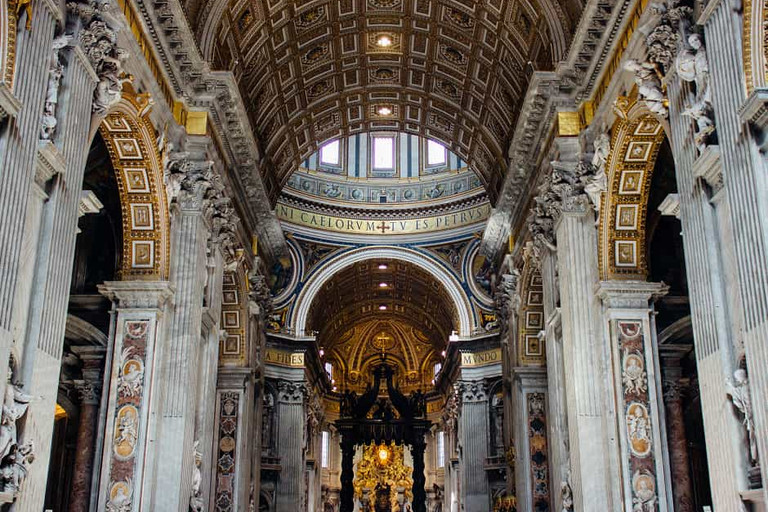
Basilica di San Pietro fasi iniziali e a pianta centrale di Bramante
Cupola della Basilica di San Pietro riprogettata da Michelangelo
Biblioteca Laurenziana a Firenze di Michelangelo
Piazza del Campidoglio riprogettazione a Roma di Michelangelo
Tardo Rinascimento e Manierismo (metà e fine XVI secolo in Italia)
Villa Rotonda presso Vicenza di Andrea Palladio
Villa Foscari (La Malcontenta) di Palladio
Basilica Palladiana a Vicenza di Palladio
Teatro Olimpico a Vicenza di Palladio
Complesso degli Uffizi a Firenze di Giorgio Vasari
Villa Farnese (Caprarola) di Vignola
Palazzo Farnese a Caprarola di Vignola
Biblioteca Marciana a Venezia di Jacopo Sansovino
Procuratie Nuove a Venezia di Sansovino e Scamozzi
Rinascimento dell'Europa settentrionale e occidentale
Château de Chambord in Francia
Château de Chenonceau nella Valle della Loira
Château d'Amboise aggiunte rinascimentali
L'Escorial vicino a Madrid, che rappresenta il monumentalismo del Rinascimento spagnolo
Facciata dell'Università di Salamanca in stile Plateresco
Municipio di Siviglia in Spagna
Banqueting House a Whitehall a Londra di Inigo Jones
Queen's House a Greenwich di Inigo Jones
Castello di Krasiczyn in Polonia
Castello di Litomyšl nella Repubblica Ceca
Confronto con il Gotico e i movimenti successivi
L'architettura rinascimentale occupa una posizione cruciale tra lo stile Gotico e gli stili architettonici successivi come il Barocco e il Neoclassicismo. L'architettura rinascimentale ha segnato una netta discontinuità dalla logica strutturale e dal linguaggio simbolico dell'architettura Gotica. Gli edifici gotici enfatizzavano la verticalità, gli archi acuti e l'ornamento intricato destinato a dirigere lo sguardo verso l'alto. In contrasto con questo approccio, i progettisti rinascimentali perseguirono l'equilibrio spaziale e la chiarezza geometrica fondata sull'antichità classica. L'uso di archi a tutto sesto, cupole emisferiche e moduli proporzionali creava edifici che apparivano misurati e armoniosi.
Il rapporto tra Rinascimento e i movimenti successivi seguì una sequenza di reinterpretazione. L'architettura Barocca adottò elementi classici ma li disposte in composizioni più dinamiche e teatrali. Le forme curve, le superfici stratificate e l'illuminazione drammatica sostituirono il rigore del design del Rinascimento maturo.
Parallelamente, gli architetti Neoclassici reagirono all'esuberanza Barocca tornando all'accuratezza archeologica e agli ordini classici più rigorosi. Il Palladianesimo ampliò queste idee attraverso tipi standardizzati di ville e palazzi che si diffusero in Gran Bretagna e Nord America.
Per questo retaggio, l'architettura rinascimentale si colloca in un punto cruciale nell'evoluzione degli stili architettonici. Fa da ponte tra la sperimentazione medievale gotica e i metodi razionali successivamente associati all'architettura moderna e all'architettura contemporanea. La sua attenzione alla proporzione, alla simmetria e alla chiarezza continua a informare la teoria educativa e rimane un riferimento persistente per gli architetti che esplorano l'ordine e la composizione.
Tema Architettonico | Architettura Gotica | Architettura Rinascimentale | Architettura Barocca |
|---|---|---|---|
Intento Generale | Elevazione spirituale ed enfasi verticale | Scala umana, equilibrio e armonia classica | Impatto emotivo, dramma e movimento teatrale |
Forme Strutturali | Archi a sesto acuto, volte a costoloni, contrafforti volanti | Archi a tutto sesto, cupole e moduli proporzionali | Pareti curve, frontoni spezzati, sequenze spaziali complesse |
Composizione spaziale | Verticalità con focus verso l'alto | Simmetria e divisioni orizzontali | Movimento dinamico e geometria stratificata |
Approccio decorativo | Tracerie elaborate e dettagli scultorei | Ornamento controllato basato su ordini classici | Decorazione ricca con contrasti drammatici |
Influenza urbana | Trame stradali medievali organiche | Griglie regolari e concetti di città ideale | Grandi piazze, sequenze monumentali, pianificazione assiale |
Influenza duratura sul pensiero architettonico moderno
I concetti di questo periodo continuano a plasmare l'educazione architettonica. La proporzione, la simmetria e gli ordini classici rimangono argomenti fondamentali. Metodi come i disegni misurati e la documentazione sistematica continuano a guidare la pratica.
Gli architetti moderni e contemporanei a volte rifiutano le forme classiche ma affrontano comunque questioni di scala e ordine. Gli urbanisti applicano idee di strade strutturate e spazi pubblici incorniciati. Il periodo quindi perdura come punto di riferimento per l'adattamento o la critica.
Punti Chiave
L'architettura rinascimentale è emersa nei primi anni del quindicesimo secolo a Firenze dallo studio delle strutture romane e dei testi classici.
Lo stile è definito da simmetria, chiarezza geometrica, ordini classici e sistemi di proporzione basati su criteri matematici.
I costruttori utilizzavano pietra, laterizio e marmo con dettagli controllati e tecniche costruttive migliorate.
Il vocabolario architettonico includeva colonne, pilastri, trabeazioni, frontoni, logge, cortili e bugnato.
Variazioni regionali apparvero in Francia, Spagna, Inghilterra e Europa centrale con forti adattamenti locali.
I concetti di città ideale influenzarono piazze, strade, fortificazioni e insiemi civici.
Il mecenatismo di famiglie mercantili, governi, monarchi e dalla papato ha reso possibili molte delle commissioni principali.
I trattati di Alberti, Serlio e Palladio sistematizzarono la teoria e diffusero lo stile a livello internazionale.
Le figure chiave includevano Brunelleschi, Alberti, Bramante, Michelangelo, Palladio, Vignola, Raffaello e Vasari.
Edifici storici come la Cattedrale di Firenze, il Tempietto, la Basilica di San Pietro, Palazzo Rucellai, Villa Rotonda e gli Uffizi rimangono casi studio centrali nella storia dell'architettura.
Domande frequenti
Come hanno conseguito gli architetti rinascimentali cupole più ampie e stabili?
Gli architetti rinascimentali studiarono l'ingegneria romana antica, in particolare il Pantheon, per comprendere la costruzione di cupole a grande luce. Filippo Brunelleschi applicò questi principi e introdusse innovazioni come la cupola a doppio guscio, i motivi in spina di pesce in laterizio e le catene di tensione nella Cattedrale di Firenze.
Questi metodi ridussero il peso, migliorarono la stabilità e consentirono la costruzione di cupole senza un'armatura in legno completa. Il successo della cupola di Brunelleschi divenne un riferimento strutturale per gli architetti successivi in tutta Europa.
Come ha influenzato l'architettura rinascimentale lo sviluppo delle piazze pubbliche e degli spazi civici?
I progettisti rinascimentali applicarono la pianificazione geometrica, la simmetria e l'allineamento assiale agli spazi civici. Le piazze erano spesso incorniciate da facciate uniformi, portici e edifici civici per creare un ordine visivo.
Esempi come Piazza del Campidoglio a Roma mostrano l'uso della prospettiva e delle proporzioni controllate per guidare il movimento e stabilire la gerarchia. Queste idee influenzarono l'urbanismo europeo successivo e contribuirono all'evoluzione dei centri cittadini pianificati.
Quale ruolo hanno svolto i sistemi di proporzione nella pratica architettonica quotidiana?
I sistemi proporzionali guidarono le relazioni tra lunghezze, altezze e profondità nei componenti edilizi. Molti architetti fecero riferimento ai rapporti descritti da Vitruvio, come 1:2 o 2:3, per mantenere l'armonia tra le parti.
Sebbene non ogni costruttore utilizzasse questi rapporti rigorosamente, i maggiori architetti come Alberti e Palladio usarono la proporzione come strumento concettuale per garantire chiarezza e coerenza. I loro trattati mostrano applicazioni misurate piuttosto che teoria speculativa.
Come hanno approvvigionato e trasportato gli architetti rinascimentali materiali come il marmo?
Il marmo veniva comunemente estratto da regioni come Carrara nella Toscana settentrionale. I blocchi erano estratti con attrezzi in ferro e cunei, poi trasportati da buoi, slitte o vie d'acqua fino ai cantieri.
I spedizioni costiere e i percorsi fluviali erano essenziali per i trasporti su lunghe distanze. Le botteghe rinascimentali svilupparono tecniche specializzate per tagliare, lucidare e scolpire il marmo, che supportavano la precisione richiesta dai dettagli classici.
Cosa distingue il Rinascimento primario dal Rinascimento maturo nel design?
L'architettura del Rinascimento primario si concentrò sulla riscoperta del vocabolario classico, applicando una chiarezza geometrica modesta e un ornamento relativamente sobrio, come si vede nelle opere fiorentine di Brunelleschi.
L'architettura del Rinascimento maturo, esemplificata da Bramante e Michelangelo, abbracciò una scala più grandiosa, composizioni spaziali più unitarie e un uso maggiore di forme monumentali. Gli edifici del Rinascimento maturo spesso mostrano una centralità più forte, una pianificazione assiale più chiara e una padronanza più matura delle proporzioni.
Come la Controriforma influenzò il design architettonico?
La Controriforma incoraggiò un'architettura che sostenesse la chiarezza della funzione liturgica e un maggiore coinvolgimento dei fedeli. Le chiese utilizzarono un'organizzazione spaziale più focalizzata, altari prominenti e acustica migliorata.
Architetti come Vignola introdussero progetti come Il Gesù a Roma, che divennero influenti per l'architettura cattolica successiva. Il movimento favorì piante leggibili e decorazione controllata per rafforzare il messaggio religioso.
Come i palazzi rinascimentali differivano dai castelli medievali?
I palazzi rinascimentali passarono da strutture difensive a edifici residenziali e civici incentrati sul comfort, la simmetria e le facciate ordinate. Presentavano cortili aperti, allineamenti regolari di finestre e stanze proporzionate con cura piuttosto che fortificazioni.
La rustazione in pietra definiva forti piani terra, mentre i livelli superiori esibivano ordini classici. Questo rifletteva un cambiamento nelle priorità sociali poiché le élite urbane enfatizzavano lo status e la rappresentazione rispetto alla difesa militare.
Come le tecniche di disegno prospettico erano insegnate e applicate in architettura?
La teoria della prospettiva, formalizzata da artisti come Brunelleschi e Alberti, divenne parte della formazione architettonica nelle botteghe. Gli architetti utilizzavano la prospettiva per progettare facciate, incorniciare viste e strutturare assi interni.
I disegni comunicavano l'intenzione spaziale ai mecenati e ai costruttori. I trattati, incluse le opere di Alberti, spiegavano i metodi per costruire punti di fuga e griglie che gli architetti adattavano alla progettazione di piante e prospetti.
Quali idee rinascimentali influenzarono l'architettura coloniale globale successiva?
L'architettura coloniale spesso adottava ordini classici, layout simmetrici e sistemi di proporzione promossi nei trattati rinascimentali. I modelli palladiani, diffusi attraverso libri di pattern, influenzarono fortemente gli edifici coloniali britannici in Nord America, i Caraibi e l'India.
Le città coloniali spagnole e portoghesi integravano piani a griglia ispirati al Rinascimento, piazze centrali e geometria civica, dimostrando la portata geografica ampia del movimento.
Come selezionavano gli architetti i mecenati durante il Rinascimento?
I mecenati valutavano gli architetti in base alla reputazione, alle commissioni precedenti, alla competenza tecnica e alle connessioni all'interno delle reti civiche o di corte. Famiglie benestanti come i Medici apprezzavano anche l'erudizione umanistica e la familiarità con la teoria classica. Gli architetti spesso presentavano disegni o modelli per assicurarsi le commissioni.
Le reti di mecenatismo influenzavano non solo l'assunzione ma anche l'innovazione architettonica, poiché i clienti finanziavano la sperimentazione nella progettazione e nell'ingegneria.