
Alternativa Unreal Engine potenziata da AI per il Rendering: ArchiVinci
ArchiVinci accelera la progettazione architettonica nelle fasi iniziali e intermedie attraverso la visualizzazione basata su AI, mentre Unreal Engine offre esperienze immersive e di livello produttivo una volta che le decisioni di progettazione sono finalizzate.
Scelto da oltre 800K+ architetti e designer in tutto il mondo
Utilizzato da studi di architettura, interior designer, team immobiliari e appassionati di design in tutto il mondo.
ArchiVinci vs Unreal Engine: Visualizzazione Architettonica a Confronto
La visualizzazione architettonica è sempre più divisa tra piattaforme basate su AI e engine real-time. Nel confrontare ArchiVinci vs Unreal Engine, la differenza non è la qualità visiva ma il focus del workflow, l'overhead tecnico e il timing della fase di progettazione. Entrambi gli strumenti creano visual d'impatto, eppure rispondono a esigenze architettoniche diverse.
Perché i Team Scelgono ArchiVinci rispetto a Unreal Engine?
Progettato per il Pensiero Architettonico
ArchiVinci traduce l'intento progettuale in immagini istantaneamente, mentre Unreal Engine richiede la costruzione tecnica della scena prima di mostrare qualsiasi risultato.
Questo consente agli architetti di lavorare visivamente senza passare a una mentalità da game engine. I flussi di lavoro di Unreal Engine danno priorità alla logica del sistema rispetto all'intento architettonico.


Visualizzazione Senza Sovraccarico Tecnico
ArchiVinci elimina la logica del motore e la configurazione, mentre Unreal Engine richiede pipeline strutturate in tempo reale.
Non è necessario gestire blueprint, gerarchie di scene o vincoli di prestazione in ArchiVinci. Unreal Engine introduce considerazioni di ingegneria all'inizio del processo.
Dall'Idea all'Immagine in Secondi
ArchiVinci trasforma i concetti in immagini immediatamente, mentre Unreal Engine inizia con la preparazione e l'ottimizzazione dei dati.
Questo rende ArchiVinci adatto all'esplorazione rapida e alla comunicazione con i clienti. I flussi di lavoro di Unreal Engine richiedono una preparazione lunga e laboriosa prima che appaiano i risultati visivi.


Leggero per Progettazione
ArchiVinci mantiene i flussi di lavoro semplici e veloci, mentre Unreal Engine introduce complessità a livello di produzione. La piattaforma rimuove i livelli tecnici non necessari che rallentano l'iterazione progettuale. Unreal Engine è ottimizzato per ambienti in tempo reale su larga scala, non per la visualizzazione rapida.
Rendering Senza Setup
ArchiVinci non richiede asset, shader o sistemi di illuminazione. Unreal Engine richiede una configurazione completa dell'ambiente. Le immagini possono essere generate senza gestire librerie o dipendenze di scena. I flussi di lavoro di Unreal Engine si basano su una configurazione dettagliata di asset e illuminazione per ogni scena.


Performance cloud vs locale
ArchiVinci funziona interamente nel cloud, mentre Unreal Engine dipende dalle prestazioni locali e dall'ottimizzazione hardware. Ciò elimina le limitazioni di GPU e workstation dal processo di visualizzazione. Le prestazioni di Unreal Engine aumentano in proporzione all'investimento hardware locale e all'ottimizzazione.
Velocità concettuale vs profondità immersiva
ArchiVinci privilegia la velocità durante l'ideazione, mentre Unreal Engine privilegia la profondità durante l'esecuzione. Più direzioni di design possono essere esplorate rapidamente in ArchiVinci. Unreal Engine si concentra su esperienze immersive una volta che i design sono finalizzati.

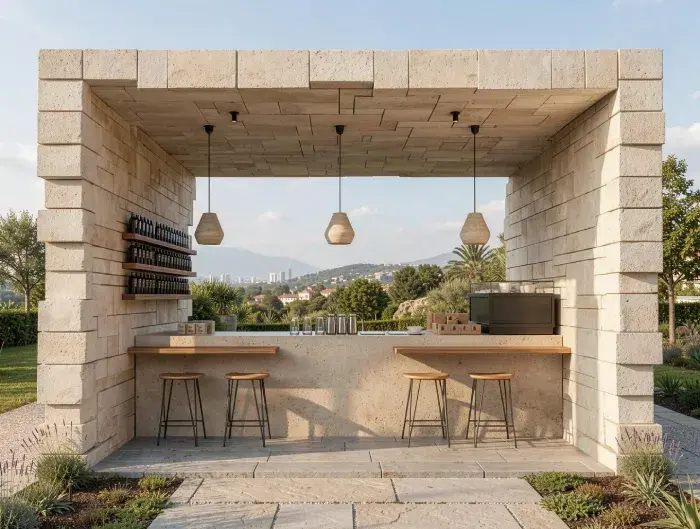
Visualizzazione senza ostacoli
ArchiVinci elimina le barriere alla visualizzazione, mentre Unreal Engine aggiunge struttura per la produzione su larga scala. Ciò consente un'iterazione più veloce e una comunicazione più chiara nelle fasi iniziali. La struttura di Unreal Engine diventa preziosa nelle fasi successive ma aggiunge attrito iniziale.
Prova ArchiVinci AI gratis, un'alternativa veloce e semplice a Twinmotion per i rendering architettonici.
Il Nostro Impatto nell'Architettura e nel Design
5M+
IMMAGINI RENDERIZZATE
Oltre 5 milioni di render architettonici di alta qualità creati con ArchiVinci AI.
24/7
ASSISTENZA CLIENTI
Il nostro team di assistenza dedicato è sempre disponibile per aiutarti, indipendentemente dal tuo fuso orario, garantendoti supporto tempestivo.
800,000+
UTENTI
Una comunità globale in crescita di architetti, interior designer, agenti immobiliari e appassionati di design
85%
TEMPO RISPARMIATO NEL RENDERING
Eliminando la necessità di una modellazione 3D complessa e del rendering manuale.
165+
PAESI
Al servizio dei clienti in tutto il mondo, ArchiVinci ha avuto un impatto in oltre 165 paesi, adattandosi a diversi stili di design.
98%
SODDISFAZIONE DEI CLIENTI
Siamo orgogliosi di offrire risultati che i nostri utenti amano, sulla base del feedback dei clienti a livello globale.
ArchiVinci vs Unreal Engine: Confronto dei flussi di lavoro di visualizzazione architettonica
Posizionamento principale
Caso d'uso principale
Focus architettonico
Approccio di rendering
Tipo di input
Configurazione della scena
Tempo al primo rendering visivo
Dipendenza da hardware
Fase di progettazione
Sforzo tipico dell'utente
ArchiVinci AI
Visualizzazione architettonica nativa dell'IA
Esplorazione rapida del design e rendering
Flussi di lavoro incentrati sull'architettura
Basato su intelligenza artificiale, immagini e prompt
Schizzi, planimetrie, screenshot, foto
Nessuno
Secondi
Basato su cloud
Concept a presentazione
Focalizzato sull'intento progettuale in architettura e interior design
Unreal Engine
Motore 3D in tempo reale
Esperienze immersive e simulazioni
Multi-settore (giochi, film, simulazione)
Rendering fisicamente accurato in tempo reale e offline
File CAD/BIM/DCC
Obbligatorio
Giorni o settimane
Hardware locale high-end
Design finalizzato e immersione
Tecnicamente intensivo
Pronto a Rivoluzionare il Tuo Flusso di Lavoro?
Aggiungi ArchiVinci al tuo flusso di lavoro per accelerare la progettazione iniziale e la visualizzazione. Genera immagini architettoniche di alta qualità in pochi secondi direttamente da schizzi, planimetrie o schermate, senza configurazione della scena, hardware pesante o complesse pipeline di rendering.
Visualizzazione guidata dall'IA vs Pipeline di motori Real-Time
ArchiVinci è una piattaforma di visualizzazione architettonica nativa dell'IA progettata per velocità, iterazione e validazione del design iniziale. Consente agli architetti di generare immagini direttamente da schizzi, planimetrie, screenshot o immagini di riferimento, abilitando l'esplorazione e il confronto rapido senza costruzione di scene o configurazione del motore.
Unreal Engine è un motore 3D real-time progettato per ambienti immersivi e di livello produttivo. I flussi di lavoro architettonici si basano su pipeline strutturate, dati CAD o BIM importati, assemblaggio di scene, materiali, sistemi di illuminazione e ottimizzazione. Questo rende Unreal Engine potente per presentazioni esperienziali, ma tecnicamente intensivo e meno adatto all'esplorazione iniziale del design.
Input, Accessibilità e Adattamento alla fase di Design
ArchiVinci opera interamente nel cloud ed è indipendente dall'hardware, consentendo agli architetti di lavorare su qualsiasi dispositivo con requisiti tecnici minimi. Il suo modello di input basato su immagini elimina la necessità di geometria esplicita e riduce i tempi di configurazione, rendendolo efficace durante le fasi concettuale e schematica.
Le prestazioni di Unreal Engine dipendono dall'hardware locale e dalla configurazione tecnica. Sebbene eccella nei tour real-time, nelle simulazioni e nelle presentazioni interattive, viene generalmente applicato dopo che le decisioni di design sono state finalizzate.
Per gli architetti che danno priorità all'iterazione veloce, all'allineamento iniziale e alla riduzione dell'overhead tecnico, ArchiVinci offre un approccio più efficiente e accessibile alla visualizzazione architettonica.
Domande frequenti
Qual è la differenza principale tra ArchiVinci e Unreal Engine per gli architetti?
ArchiVinci è costruito per una visualizzazione veloce e guidata dall'IA durante le fasi di design iniziale e intermedia, mentre Unreal Engine è progettato per esperienze immersive e real-time una volta che i design sono stati finalizzati.
ArchiVinci può creare lo stesso livello di fotorealismo di Unreal Engine?
ArchiVinci fornisce immagini fotorealistiche pronte per la presentazione per la comunicazione architettonica, ma non mira a fornire interattività real-time o simulazione come Unreal Engine.
ArchiVinci richiede modelli 3D o file BIM?
No. ArchiVinci funziona con input basati su immagini come schizzi, planimetrie, screenshot, foto e immagini di riferimento, eliminando la necessità di una preparazione completa della scena 3D.
Unreal Engine è adatto per la progettazione architettonica in fase iniziale?
Unreal Engine è generalmente meno adatto nelle fasi iniziali perché richiede dati preparati, assemblaggio della scena e configurazione tecnica, il che aggiunge complessità durante l'esplorazione concettuale.
Quale strumento è più facile da usare per gli architetti non tecnici?
ArchiVinci. Il suo flusso di lavoro basato su browser e guidato dall'IA ha una curva di apprendimento minima rispetto all'ambiente incentrato sul motore di Unreal Engine.
ArchiVinci richiede hardware potente o GPU?
No. ArchiVinci funziona interamente nel cloud e non dipende dalle prestazioni dell'hardware locale.
Quando un team di architettura dovrebbe scegliere Unreal Engine invece di ArchiVinci?
Unreal Engine è la scelta migliore quando sono richieste esperienze immersive in walkthrough, esperienze VR o AR, interazione in tempo reale o presentazioni guidate da simulazione.
ArchiVinci è destinato a sostituire Unreal Engine?
No. ArchiVinci si concentra sull'accelerazione della visualizzazione e del processo decisionale prima che siano necessari ambienti a livello di produzione, non sulla sostituzione dei motori real-time.
Quale strumento è più conveniente per la visualizzazione iniziale?
ArchiVinci è generalmente più conveniente nelle fasi iniziali perché elimina i costi hardware, di setup e di pipeline associati ai motori real-time.
ArchiVinci aiuta a ridurre i tempi prima dell'approvazione del cliente?
Sì. Abilitando il rapido confronto tra opzioni e una comunicazione visiva chiara nelle fasi iniziali, ArchiVinci spesso accorcia i cicli di approvazione prima che i team si impegnino in strumenti di fase produttiva.
Quali tipi di team architettonici traggono maggior beneficio da ArchiVinci?
Architetti, designer d'interni, urbanisti e studi che danno priorità a velocità, iterazione e chiarezza durante le fasi di concept e schematic design.