
Alternativa impulsada por IA para Corona: ArchiVinci
ArchiVinci es una plataforma de renderizado de arquitectura nativa de IA, basada en navegador, construida para velocidad, iteración rápida y etapas de diseño temprano a intermedio, mientras que Corona Renderer es un motor fotorrealista tradicional basado en CPU diseñado para renders finales de calidad de producción dentro de software 3D.
Con la confianza de más de 800 K+ arquitectos y diseñadores en todo el mundo
Utilizado por estudios de arquitectura, diseñadores de interiores, equipos inmobiliarios y entusiastas del diseño en todo el mundo.
ArchiVinci vs Corona Renderer
Los flujos de trabajo de visualización arquitectónica están divergiendo cada vez más. Si bien tanto ArchiVinci como Corona Renderer son capaces de producir imágenes arquitectónicas realistas, sirven propósitos fundamentalmente diferentes dentro del proceso de diseño.
¿Por qué los equipos eligen ArchiVinci sobre Corona Renderer?
Diseñado para flujos de trabajo impulsados por IA
ArchiVinci es nativo de IA y está diseñado para velocidad, iteración y renderizado en la nube desde el principio. Corona Renderer se basa en renderizado físicamente realista tradicional enfocado en realismo final y precisión técnica. La diferencia es velocidad creativa versus refinamiento de producción.


Renders instantáneos, sin preparación de escena
ArchiVinci renderiza directamente desde bocetos, planos, fotos o capturas de pantalla sin construir escenas 3D completas, cámaras o materiales. Corona Renderer requiere geometría completamente preparada y configuración de escena detallada. Uno comienza con imágenes, el otro comienza con construcción.
Sin cuellos de botella de hardware
ArchiVinci elimina las limitaciones de GPU y estación de trabajo al renderizar completamente en la nube. Corona Renderer depende de la potencia de CPU local e inversión en hardware. El rendimiento depende de la infraestructura, no de las ideas.


Segundos vs Iteración de alta fidelidad
ArchiVinci genera variaciones de diseño en segundos, permitiendo exploración rápida y ciclos de retroalimentación ágiles. Corona Renderer prioriza la elaboración más lenta y de alta fidelidad para resultados únicos y finales. La velocidad versus precisión define el flujo de trabajo.
Menor coste de entrada
ArchiVinci ofrece precios claros basados en navegador sin dependencias adicionales de software ni licencias. Corona Renderer suma costes a través de licencias, aplicaciones anfitrionas y requisitos de hardware. Las barreras de entrada son fundamentalmente distintas.

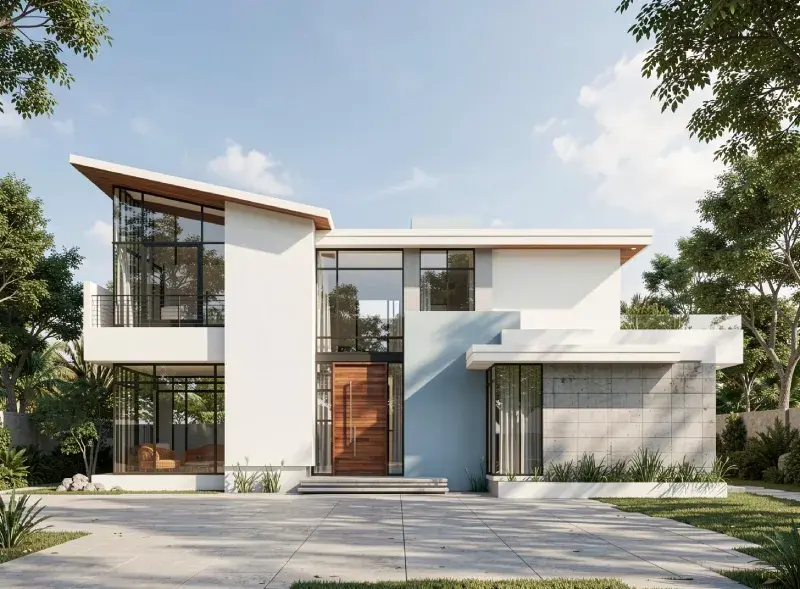
Enfoque en fase de diseño temprana a intermedia
ArchiVinci está optimizado para desarrollo conceptual, iteración y presentación durante fases de diseño temprana e intermedia. Corona Renderer se utiliza principalmente para renders de producción final. Cada herramienta sirve a un momento diferente en el ciclo de vida del diseño.
Exploración Creativa vs Control Técnico
ArchiVinci enfatiza la exploración creativa rápida sin configuración técnica profunda. Corona Renderer proporciona control granular sobre iluminación, materiales y parámetros de renderizado. Uno elimina la complejidad, el otro la abraza.


Diseña en Cualquier Lugar, Curva de Aprendizaje Mínima
ArchiVinci funciona en cualquier dispositivo con navegador y tiene una curva de aprendizaje extremadamente baja. Corona Renderer está ligado a entornos de estación de trabajo profesional y requiere experiencia avanzada en 3D. Accesibilidad versus especialización define la velocidad de adopción.
Prueba ArchiVinci AI gratis, una alternativa rápida y sencilla a Twinmotion para renderizados arquitectónicos.
Nuestro Impacto en Arquitectura y Diseño
5M+
IMÁGENES RENDERIZADAS
Más de 5 millones de renders arquitectónicos de alta calidad creados con ArchiVinci AI.
24/7
SOPORTE AL CLIENTE
Nuestro equipo de soporte dedicado siempre está disponible para ayudarte, sin importar tu zona horaria, garantizando que recibas ayuda a tiempo.
800,000+
USUARIOS
Una creciente comunidad global de arquitectos, diseñadores de interiores, agentes inmobiliarios y entusiastas del diseño
85%
TIEMPO AHORRADO EN RENDERIZADO
Al eliminar la necesidad de un modelado 3D complejo y un renderizado manual.
165+
PAÍSES
Sirviendo a clientes en todo el mundo, ArchiVinci ha generado un impacto en más de 165 países, adaptándose a diversos estilos de diseño.
98%
SATISFACCIÓN DEL CLIENTE
Nos enorgullece ofrecer resultados que fascinan a nuestros usuarios, según los comentarios de clientes de todo el mundo.
ArchiVinci vs Corona Renderer - Velocidad, Flujo de Trabajo y Comparación de Casos de Uso
Enfoque de renderizado
Tipo de entrada
Instalación de Software
Requisitos de Hardware
Curva de aprendizaje
Velocidad
Variaciones de Diseño
Soporte urbano / Masterplan
Asistencia de IA
Colaboración
ArchiVinci AI
Renderizado basado en IA e impulsado por indicaciones
Bocetos, fotos, capturas de pantalla, moodboards
Ninguno (basado en navegador)
No se requiere GPU
Mínimo
Alrededor de 5 segundos
Múltiples resultados al instante
Sí
Flujo de trabajo principal
Basado en web, independiente del dispositivo
Corona Renderer
Ray tracing CPU físicamente preciso
Escenas 3D completas
Requiere 3ds Max o Cinema 4D
CPU de alto rendimiento recomendada
Moderado a alto
Minutos a horas
Duplicación manual de escenas
Limitado / manual
Herramientas de mejora opcional
Flujos de trabajo basados en archivos
¿Listo para Revolucionar tu Flujo de Trabajo?
Añade ArchiVinci a tu flujo de trabajo para acelerar dramáticamente la visualización arquitectónica. Comienza directamente desde bocetos, imágenes de referencia, fotos o capturas de pantalla y genera visuales realistas usando interpretación de renders impulsada por IA y prompts. ArchiVinci elimina la necesidad de configuración completa de escenas 3D, plugins o hardware de gama alta, facilitando la exploración de ideas de diseño, prueba de variaciones y preparación de visuales listos para presentación en 5 segundos.
Enfoque del flujo de trabajo: Exploración vs Finalización
ArchiVinci está diseñado para velocidad y exploración del diseño. Permite a los arquitectos visualizar ideas directamente desde bocetos, capturas de pantalla, fotografías o diagramas, lo que lo hace especialmente efectivo durante el desarrollo conceptual y la toma de decisiones en fases tempranas.
Corona Renderer está optimizado para visualización en fase final. Traduce diseños arquitectónicos completamente resueltos en renderizaciones físicamente precisas, donde el comportamiento de materiales, la precisión de iluminación y la consistencia visual son fundamentales.
Intención del diseño: Probar ideas vs Confirmar decisiones
ArchiVinci respalda flujos de trabajo donde las cuestiones arquitectónicas permanecen abiertas. Permite pruebas rápidas de dirección material, atmósfera y carácter espacial, ayudando a los arquitectos a comparar alternativas antes de comprometerse con una única solución.
Corona Renderer entra en el flujo de trabajo una vez que las decisiones están finalizadas. En esta etapa, la visualización pasa de exploración a confirmación y comunica la intención resuelta con autoridad, claridad y realismo.
Enfoque técnico: Velocidad impulsada por IA vs Precisión basada en física
ArchiVinci se basa en renderizado impulsado por IA y procesamiento en la nube. Esto elimina la necesidad de configuración de escena compleja o hardware de gama alta y mantiene la iteración rápida, ligera y accesible.
Corona Renderer utiliza ray tracing basado en física dentro de entornos 3D profesionales. Este enfoque ofrece resultados predecibles de grado profesional pero requiere construcción completa de escena, experiencia técnica y mayores recursos computacionales.
Rendimiento y demandas de producción
ArchiVinci se mantiene responsivo durante la exploración del diseño, incluso al generar múltiples variaciones. Su rendimiento es prácticamente independiente de las limitaciones de hardware local.
Corona Renderer escala en complejidad y demanda de recursos a medida que las escenas crecen, intercambiando velocidad por precisión y control. Este es un requisito esperado para imágenes finales de alta gama.
Elegir la herramienta correcta
La elección entre ArchiVinci y Corona Renderer tiene menos que ver con la calidad visual bruta y más con el momento en el que se introduce la visualización en el proceso arquitectónico.
ArchiVinci acelera el pensamiento, la iteración y la alineación en fases de diseño tempranas e intermedias. Corona Renderer entrega precisión, realismo y autoridad visual en el punto de presentación final.
Utilizadas en conjunto, reflejan un flujo de trabajo arquitectónico contemporáneo en el que la visualización es continua, primero como instrumento de diseño y luego como herramienta de representación.
Preguntas Frecuentes
¿Es ArchiVinci un reemplazo de Corona Renderer?
No. ArchiVinci complementa Corona Renderer al acelerar las fases de concepto y presentación.
¿Cuál es la principal diferencia entre ArchiVinci y Corona Renderer?
ArchiVinci es una plataforma nativa de IA basada en la nube centrada en velocidad e iteración, mientras que Corona Renderer es un renderizador basado físicamente diseñado para visualización final de nivel profesional.
¿Cuál herramienta requiere menos configuración técnica?
ArchiVinci. Funciona directamente a partir de imágenes y capturas de pantalla sin necesidad de configuración de escena, iluminación o materiales.
¿En qué se diferencian ArchiVinci y Corona Renderer en tiempo de configuración?
ArchiVinci comienza a renderizar en segundos. Corona Renderer requiere preparación completa de la escena 3D.
¿Cuál es la herramienta más adecuada para la exploración de diseño temprano?
ArchiVinci, porque permite probar rápidamente ideas y variaciones visuales con una entrada mínima.
¿Cuál es la mejor herramienta para renders arquitectónicos finales?
Corona Renderer. Está optimizado para precisión física, realismo de materiales y calidad de presentación final.
¿Cuándo Corona Renderer es la mejor opción?
Cuando las decisiones de diseño están finalizadas y se requiere precisión a nivel de píxel.
¿Cómo se integra ArchiVinci en flujos de trabajo que utilizan Corona Renderer?
ArchiVinci se utiliza típicamente antes de Corona Renderer para validar conceptos y dirección visual, reduciendo el retrabajo más adelante en la producción.
¿Cuál herramienta requiere hardware más potente?
Corona Renderer. Depende del rendimiento de CPU local, mientras que ArchiVinci se ejecuta completamente en la nube.
¿Cuál es el punto clave al comparar ArchiVinci y Corona Renderer?
La diferencia no es la calidad visual, sino el momento. ArchiVinci respalda la exploración al principio del proceso, mientras que Corona Renderer entrega precisión y realismo en la etapa final.