Aggiornato il: 05 aprile 2026
L'architettura del XIX secolo rifletteva il rapido cambiamento sociale, la crescita industriale e l'influenza globale in espansione. Nuovi materiali, tecnologie e idee culturali hanno trasformato l'aspetto e il funzionamento degli edifici. Di conseguenza, il design è diventato più espressivo, vario e simbolicamente ricco. Questo contesto ha dato origine a quello che oggi è conosciuto come architettura vittoriana, un capitolo ampio e influente nella storia dell'architettura.
Questo articolo illustra il contesto storico, le caratteristiche distintive e i principali stili dell'architettura dell'era vittoriana. Esplora inoltre materiali, decorazione, interni, sviluppo urbano e variazioni globali. Ogni sezione costruisce un quadro chiaro di come questo periodo ha plasmato gli ambienti costruiti moderni.
Cos'è l'architettura vittoriana?
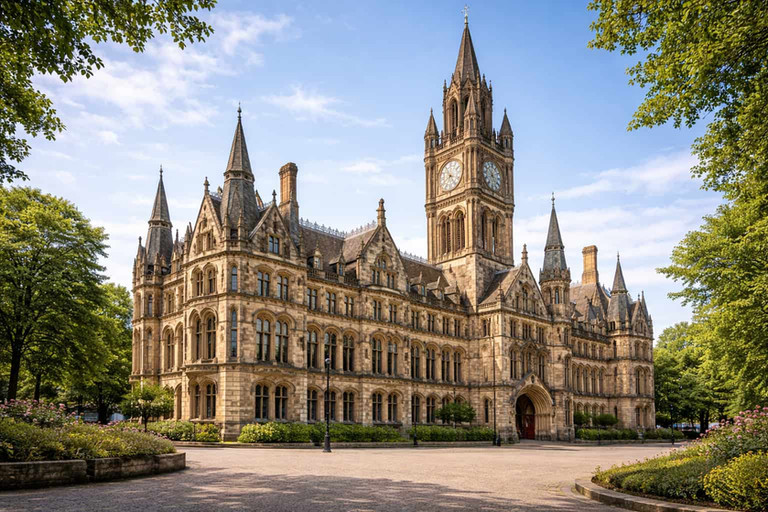
L'architettura vittoriana è un termine ampio utilizzato per descrivere i diversi stili architettonici che si svilupparono durante il regno della regina Vittoria, dal 1837 al 1901. Piuttosto che riferirsi a un unico stile, include una gamma di design spesso caratterizzati da ornamentazione, dettagli decorativi, forme asimmetriche e influenze da stili storici precedenti come il Gothic Revival, lo stile Italianate e il Queen Anne.
È comunemente associata a facciate visivamente ricche, bow window, tetti ripidi, torri, materiali patterned e finiture elaborate. Nel complesso, l'architettura vittoriana riflette un periodo in cui l'architettura divenne più espressiva, eclettica e dettagliata.
Origini e sviluppo storico dell'architettura vittoriana
L'architettura vittoriana si sviluppò durante un'epoca di grandi cambiamenti sociali, economici e tecnologici nella Britannia del XIX secolo. La crescita industriale e l'espansione urbana trasformarono l'ambiente costruito e incoraggiarono nuovi approcci architettonici che equilibravano tradizione e innovazione.
I valori sociali mutevoli, i metodi costruttivi migliorati e il rinnovato interesse per gli stili storici hanno prodotto una cultura architettonica altamente diversificata piuttosto che un unico stile unificato.
Primo periodo vittoriano (1837-1850)
Il primo periodo vittoriano si sviluppò durante i decenni iniziali del regno della regina Vittoria, quando l'architettura rimase strettamente collegata alle tradizioni precedenti. I progettisti attinsero ampiamente dal Gothic Revival e dai modelli classici, che erano associati a valori morali, ordine e continuità culturale.
Architetti come Augustus Pugin promuovevano l'idea che l'architettura dovesse esprimere significato etico e religioso. Di conseguenza, gli edifici del primo periodo vittoriano spesso esibiscono un'artigianalità attenta, precisione storica e un'ornamentazione relativamente contenuta rispetto alle fasi successive.
Periodo medio vittoriano (1850-1870)
L'era vittoriana media ha rappresentato un punto di svolta guidato dal progresso industriale e dall'espansione economica. Le nuove tecnologie costruttive introdussero la ghisa, l'acciaio e i componenti prodotti in serie, permettendo luci maggiori e forme architettoniche più elaborate.
Durante questo periodo, l'espressione architettonica divenne più eclettica e visivamente audace. Stili come il Gotico vittoriano alto, lo Italianate e il Secondo Impero guadagnarono prominenza, caratterizzati da forti contrasti cromatici, ricca decorazione superficiale e elementi strutturali espressivi. Gli edifici pubblici, le stazioni ferroviarie e le istituzioni culturali si espansero rapidamente, riflettendo fiducia e ambizioni imperiali.
Periodo vittoriano tardivo (1870s-1901)
L'architettura vittoriana tardiva emerse in parte come reazione agli eccessi della decorazione precedente e all'uniformità industriale. Gli architetti iniziarono a cercare una maggiore onestà nei materiali e nella costruzione, portando a un rinnovato interesse nell'artigianato e nel comfort domestico.
Questa fase vide l'ascesa dello stile Queen Anne, Arts and Crafts, Tudor Revival e Stick Style. Questi approcci sottolinearono l'individualità, la scala umana e l'integrazione tra forma e funzione. Il periodo vittoriano tardivo gettò anche importanti fondamenti per il pensiero architettonico moderno e lo sviluppo suburbano.
Caratteristiche chiave dell'architettura dell'era vittoriana

L'architettura dell'era vittoriana è definita da ricchezza visiva, diversità stilistica e un forte enfasi sul design espressivo. Piuttosto che seguire un unico sistema formale, riunisce riferimenti storici con nuovi metodi costruttivi resi possibili dal progresso industriale.
Questa combinazione produsse edifici che erano non soltanto visivamente elaborati, ma anche tecnicamente avanzati per il loro tempo.
Di conseguenza, l'architettura vittoriana si sviluppò in un linguaggio architettonico altamente vario marcato dalla complessità della forma, dalla ricchezza del trattamento superficiale e dalla flessibilità nella composizione. I suoi edifici spesso stratificavano dettagli decorativi, riferimenti simbolici e soluzioni pratiche in modi che rispondevano efficacemente ai mutevoli assetti urbani, alle ambizioni sociali e alle possibilità crescenti della costruzione del XIX secolo.
Forma e masse
L'architettura vittoriana favorisce forme edilizie variate e dinamiche invece della rigida simmetria. La massa irregolare permette alle strutture di rispondere con flessibilità alla funzione, alle dimensioni del lotto e al contesto circostante, soprattutto negli ambienti urbani densi.
Gli elementi tipici includono tetti a capanna ripidi, bow windows sporgenti e volumi articolati. Elementi come torri, torrette, camini e padiglioni angolari enfatizzano la verticalità e contribuiscono a skyline distintivi e riconoscibili.
Materiali e costruzione
L'innovazione industriale ha trasformato le pratiche costruttive durante il periodo vittoriano. Nuovi materiali come la ghisa, il ferro battuto, l'acciaio e il vetro su larga scala hanno consentito luci maggiori, strutture più alte e layout interni più flessibili.
Allo stesso tempo, la produzione di massa dei componenti costruttivi ha aumentato l'efficienza e l'accessibilità economica. Mattoni, pietra, terracotta e metallo sono stati frequentemente combinati, permettendo all'architettura di raggiungere sia la solidità strutturale che la ricchezza decorativa.
Elementi decorativi
La decorazione ha svolto un ruolo centrale nell'espressione architettonica vittoriana. Le facciate erano arricchite da dettagli intagliati, cornici, mensole e elementi ornamentali, che comunicavano maestria, status sociale e identità stilistica.
Questi elementi non erano semplici ornamenti applicati. Hanno contribuito ad articolare la struttura, incorniciare le aperture e organizzare visivamente gli ingressi, le finestre e i profili del tetto all'interno di una composizione architettonica coerente.
Colore e trattamento superficiale
Gli edifici vittoriani spesso mostrano forti contrasti di colore e texture, ottenuti attraverso l'uso combinato di mattone, pietra, terracotta e legno dipinto. Questo approccio ha creato facciate stratificate e visivamente accattivanti.
L'uso della policromia e dell'articolazione superficiale divenne particolarmente prominente nelle fasi successive del periodo. La variazione di colore e materiale ha aumentato la profondità, ha enfatizzato i dettagli architettonici e ha contribuito al carattere espressivo degli ambienti urbani del XIX secolo.
Finestre e aperture
Il design delle finestre ha costituito una parte essenziale dell'espressione architettonica vittoriana. Gli edifici presentavano comunemente finestre alte e strette, che enfatizzavano l'orientamento verticale e consentivano una penetrazione generosa della luce naturale.
Inoltre, le finestre ad aggetto, le finestre oriel e occasionalmente pannelli in vetro colorato sono stati utilizzati per arricchire le facciate, migliorare l'illuminazione interna e aggiungere varietà decorativa. Queste aperture hanno svolto sia ruoli funzionali che estetici all'interno della composizione complessiva.
Riferimenti Storici Eclettici
Una caratteristica distintiva dell'architettura vittoriana è il suo uso eclettico di fonti storiche. I progettisti hanno combinato liberamente elementi tratti da tradizioni gotiche, classiche e vernaccolari all'interno di un unico linguaggio architettonico.
Questo eclettismo ha permesso agli architetti di adattare lo stile alla funzione, al simbolismo e al contesto. Di conseguenza, gli edifici vittoriani spesso esprimono molteplici influenze storiche mantenendo un'identità coerente e riconoscibile.
Adattamento ai Metodi di Costruzione Industriale
L'architettura vittoriana ha incorporato attivamente le possibilità offerte dall'industrializzazione. L'uso di componenti prodotti industrialmente ed elementi standardizzati ha consentito edifici più grandi, dettagli più raffinati e costruzioni più economiche.
Questi progressi tecnologici hanno supportato una scala e una complessità architettonica maggiori, contribuendo al contempo a diffondere elementi decorativi su una gamma più ampia di tipologie edilizie. Nel complesso, spiegano come l'architettura vittoriana ha raggiunto sia la ricchezza dell'espressione che l'efficienza pratica.
Stili Principali dell'Architettura Vittoriana
L'architettura vittoriana comprende uno spettro ampio di stili revival e ibridi piuttosto che un unico linguaggio formale. Questi stili hanno attinto a tradizioni medievali, classiche e vernaccolari adattandole a materiali industriali e a metodi costruttivi moderni.
Nel complesso, spiegano la ricchezza stilistica e la diversità regionale dell'architettura del XIX secolo.
Gothic Revival nell'Architettura Vittoriana
Il Gothic Revival è stato uno dei più influenti stili vittoriani, ispirato dall'architettura religiosa medievale e dal simbolismo morale. Ha enfatizzato la verticalità, l'espressione spirituale e la continuità storica. Per questo motivo, è stato ampiamente utilizzato per chiese, università e istituzioni pubbliche.
Le caratteristiche notevoli includono:
Finestre appuntite e lancettate che enfatizzano l'altezza e la verticalità, che guidano lo sguardo verso l'alto e rafforzano il carattere spirituale e monumentale associato aldesign gotico medievale. Queste forme di finestre consentono inoltre una maggiore luminosità mentre rafforzano il ritmo visivo delle facciate.
Contrafforti combinati con trafori elaborati, utilizzati sia per il sostegno strutturale che per l'effetto decorativo. I contrafforti aiutano a distribuire i carichi della parete, mentre i trafori riempiono le aperture delle finestre con intricati motivi in pietra che aumentano la profondità visiva e l'artigianato.
Muratura polcroma e ornamento scolpito, dove colori e trame contrastanti creano una ricca variazione superficiale. I dettagli scolpiti spesso includono motivi simbolici, fogliame e motivi geometrici che esprimono maestria artistica e riferimenti storici.
Sottotipi come ilGotico dell'alto periodo vittoriano che introdusse contrasti di colore più forti e dettagli più pesanti, mentre ilGotico da falegname adattò le forme gotiche alla costruzione in legno.
Stile italianate
Lo stile italianate trae ispirazione dalle ville rinascimentali e dalle idee classiche di proporzione e equilibrio. Ha tradotto questi principi in forme che parevano eleganti, ordinate e visivamente controllate.
Divenne particolarmente popolare per le case urbane e gli edifici commerciali perché le sue proporzioni adattabili funzionavano bene su lotti stretti. La geometria chiara e la decorazione sobria hanno permesso allo stile di funzionare efficacemente sia in contesti residenziali che civici.
Le caratteristiche tipiche includono:
Cornici a mensole sotto ampie sporgenze, che creano una forte enfasi orizzontale e proiettano ombre profonde. Questi elementi sporgenti coronano visivamente l'edificio mentre aggiungono ornamenti ritmici lungo la linea della copertura.
Finestre alte e strette con decorative cappottature, spesso disposte in sequenze verticali per migliorare eleganza e proporzione. Le cornici modanate o arcuate intorno alle finestre forniscono profondità e articolano la superficie della facciata.
Composizione della facciata equilibrata e ordinata, basata sulla simmetria e sulla spaziatura regolare. Questo arrangement rafforza l'armonia visiva e riflette gli ideali classici di proporzione e controllo.
Questo stile comunicava raffinatezza e stabilità mantenendo praticità per gli ambienti urbani densi e le città in espansione del diciannovesimo secolo.
Stile Second Empire
L'architettura Second Empire si sviluppò sotto una forte influenza francese ed è identificata più chiaramente dal suo caratteristico tetto a mansarda. Questa forma di tetto ha reso possibile aggiungere piani superiori utilizzabili mantenendo un aspetto esteriore elegante e monumentale.
Lo stile ha combinato praticità con ricchezza visiva, rendendolo adatto agli edifici urbani prominenti. La sua composizione formale e la ricchezza decorativa comunicavano autorità e prestigio, il che spiega il suo frequente utilizzo nell'architettura ufficiale e di alto status.
Le caratteristiche principali includono:
Tetti a mansarda con lucernai, che permettono un utilizzo efficiente dello spazio sottotetto creando al contempo un profilo skyline riconoscibile.
Cornici ricche e dettagli decorativi, spesso applicati intorno a finestre, cornicioni e linee di tetto per migliorare la profondità visiva.
Enfasi verticale marcata e simmetria, che rafforzano ordine, gerarchia e monumentalità architettonica.
È stato ampiamente utilizzato per edifici governativi, hotel e grandi residenze nelle principali città.
Stile Queen Anne all'interno dell'architettura vittoriana
L'architettura Queen Anne enfatizzava la ricchezza visiva e la varietà piuttosto che la simmetria ristretta o l'ordine formale. I progettisti combinarono materiali diversi, texture e trattamenti di superficie per creare composizioni vivaci ed espressive. Di conseguenza, ogni edificio appariva distintivo e attentamente individualizzato.
Lo stile incoraggiava libertà nella composizione massiccia e nella decorazione, permettendo agli architetti di sperimentare forma e dettagli. Questa flessibilità lo rendeva particolarmente affascinante per l'architettura domestica durante la fine del XIX secolo.
Gli elementi tipici includevano:
Facciate asimmetriche e linee di tetto irregolari, che creano silhouette dinamiche e composizioni spaziali variate.
Murature decorate o scandole decorative, spesso utilizzate per aggiungere texture, contrasto cromatico e profondità superficiale.
Bow window, torri e verande che si estendono, che migliorano l'articolazione e la luce, la ventilazione e l'interesse visivo.
Questo stile divenne particolarmente comune nel design residenziale della fine del XIX secolo, soprattutto per le case suburbane e le ville.
Romanico Revival
Il Romanico Revival traeva ispirazione dall'architettura medievale europea, nota per il suo senso di massa, peso e solidità strutturale. Gli edifici in questo stile miravano a trasmettere permanenza e stabilità attraverso forme compatte e costruzione pesante. Di conseguenza, lo stile è stato spesso scelto per istituzioni destinate a esprimere autorità e durabilità.
Il suo linguaggio architettonico si affidava a forme geometriche semplici e a una forte presenza visiva. Queste qualità lo rendevano particolarmente adatto a edifici pubblici e monumentali.
Le caratteristiche comuni includono:
Muri in muratura spessa, che creano un aspetto forte e radicato e enfatizzano la forza strutturale.
Archi arrotondati sopra porte e finestre, derivati da precedenti romani e altomedievali.
Aperture profondamente arretrate e arcate, che aggiungono profondità, ombra e ripetizione ritmica alle facciate.
Lo stile è stato frequentemente utilizzato per chiese, biblioteche e strutture civiche dove la permanenza e la dignità erano obiettivi progettuali importanti.
Stick Style
Lo stile Stick si concentrava sull'espressione della logica strutturale attraverso la decorazione della superficie piuttosto che attraverso la struttura esposta. Gli elementi della struttura in legno venivano applicati visibilmente alle pareti esterne, creando motivi lineari che suggerivano i metodi costruttivi sottostanti. Questo approccio ha contribuito a colmare l'influenza gotica precedente e le forme vittoriane più decorative successive.
Lo stile enfatizzava la chiarezza della struttura e l'articolazione della superficie. I suoi progetti spesso evidenziavano la geometria e il ritmo attraverso i dettagli applicati piuttosto che l'ornamento pesante.
Le caratteristiche che lo definiscono includono:
Rivestimenti in legno verticali, orizzontali o diagonali, disposti per suggerire la struttura portante dell'edificio.
Enfasi sull'espressione strutturale, utilizzando motivi superficiali per comunicare come un edificio potrebbe essere assemblato.
Tetti a capanna ripidi e sporti estesi, che aggiungono complessità visiva e rafforzano l'enfasi verticale.
Questo stile ha servito come forma transitoria tra il Gotico Revival e l'architettura Queen Anne, contribuendo a plasmare i successivi sviluppi del design domestico vittoriano.
Tudor Revival e Stile Jacobethan
Il Tudor Revival reintrodusse elementi architettonici tratti dall'Inghilterra tardomedievale e dal primo Rinascimento. Ha enfatizzato l'immaginario domestico storico, un'identità visiva forte e un senso di tradizione radicato nell'eredità inglese. Il design Jacobethan ha fuso riferimenti giacobiani ed elisabettiani con una maggiore formalità e simmetria.
Entrambi gli stili hanno adattato motivi storici alla costruzione moderna mantenendo un carattere distintivo. Erano particolarmente apprezzati per le case suburbane, le scuole e gli edifici istituzionali che cercavano un aspetto affermato e dignitoso.
Le caratteristiche condivise includono:
Travi a vista con pannelli di riempimento, utilizzati decorativamente per richiamare i metodi costruttivi medievali.
Tetti molto spioventi e camini prominenti, che creano un forte profilo verticale e un paesaggio di tetti variegato.
Finestre con vetrate piombate o a spallette, che aggiungono texture, ritmo e riferimenti storici alle facciate.
Questi stili furono spesso applicati a residenze suburbane e edifici istituzionali dove la tradizione e l'identità erano importanti valori progettuali.
Movimento Arts and Crafts e il tardo pensiero vittoriano
Il movimento Arts and Crafts emerse come risposta all'eccesso industriale e all'abuso di ornamenti applicati. Promuoveva un ritorno all'artigianato, all'onestà dei materiali e a un design consapevole radicato nella funzione. Sebbene si sviluppasse verso la fine del periodo vittoriano, le sue idee influenzarono fortemente l'architettura domestica e la filosofia della pianificazione.
Il movimento enfatizzava la qualità, la semplicità e il rapporto tra struttura e uso. I suoi principi incoraggiavano ambienti su scala più umana e un'attenzione attenta ai metodi costruttivi.
Le idee chiave includevano:
Enfasi sull'artigianato e la verità dei materiali, valorizzando la lavorazione visibile rispetto all'imitazione meccanica.
Forme semplici e ornamenti sobri, evitando decorazioni eccessive a favore della chiarezza.
Integrazione tra design, struttura e uso, assicurando che la forma riflettesse la funzione.
Questo movimento ha contribuito a plasmare il successivo pensiero architettonico moderno e ha contribuito alle tradizioni di pianificazione suburbana iniziale.
Elementi decorativi ed estetica nell'architettura vittoriana
La decorazione ha svolto un ruolo centrale nel definire l'identità visiva dell'architettura vittoriana. Le superfici erano trattate come strati espressivi dove l'ornamento comunicava artigianalità, valori culturali e status sociale. Di conseguenza, la decorazione funzionava non solo come abbellimento ma anche come linguaggio visivo che trasmetteva significato e gerarchia.
Il design esteriore si affidava a un ricco vocabolario di dettagli applicati e texture. L'ornamento aiutava ad articolare la struttura, enfatizzare le transizioni e organizzare visivamente le facciate.
Le caratteristiche esterne comuni includevano:
Finiture decorative e trafori utilizzati per arricchire bordi, grondaie e aperture
Pinnacoli, cornici e mensole che articolavano le linee di gronda e i giunti strutturali
Muratura policromatica e pannelli in terracotta che creavano contrasto e variazione ritmica della superficie
Vetrate colorate e ringhiere in ferro battuto aggiungendo colore, motivi e artigianalità
Le palette di colori erano spesso audaci e contrastanti, esaltando profondità, texture e ricchezza visiva. Attraverso materiali stratificati e superfici dettagliate, le facciate raggiungevano un forte senso di carattere ed espressività.
Design degli interni nell'architettura vittoriana
Gli interni vittoriani erano concepiti per esprimere comfort, gerarchia e ostentazione sociale. Gli spazi erano chiaramente differenziati per funzione e la decorazione interna rafforzava sia lo status che l'identità domestica. Le stanze erano riccamente rifinite, riflettendo la stessa complessità riscontrabile negli esterni dell'edificio.
Il design degli interni spesso rispecchiava la ricchezza esterna attraverso ornamenti coordinati, colore e texture. Questi elementi lavoravano insieme per creare ambienti immersivi e accuratamente allestiti.
Caratteristiche tipiche degli interni incluse:
Carta da parati con motivi floreali o geometrici
Rosoni da soffitto, cornici e decorazioni in gesso
Camini con mantelli scolpiti o piastrellati che fungono da punti focali visivi
Pavimenti piastrellati, a mosaico o in parquet che enfatizzano l'artigianato e la qualità dei materiali
L'illuminazione a gas e successivamente quella elettrica dei primi anni trasformarono la vita degli interni migliorando l'illuminazione e prolungando le ore disponibili. Queste tecnologie influenzarono anche il design degli infissi e l'organizzazione dello spazio.
Tipologie edilizie e sviluppo urbano
La rapida crescita urbana durante l'era vittoriana ha trasformato le città attraverso nuove tipologie edilizie e infrastrutture. L'architettura si è espansa in risposta all'industrializzazione, alla crescita demografica e alla riforma sociale. Di conseguenza, l'ambiente costruito è diventato più diversificato e funzionalmente specializzato.
Lo sviluppo residenziale è progredito insieme alla costruzione di edifici pubblici e istituzionali, riflettendo le mutevoli condizioni economiche e sociali.
Le principali categorie edilizie includevano:
Case a schiera e abitazioni in linea per le popolazioni urbane dense
Ville e case suburbane per la classe media in espansione
Musei, biblioteche e municipi come simboli dell'identità civica
Stazioni ferroviarie e ponti a sostegno della mobilità industriale
La pianificazione urbana affrontò sempre più l'igiene, la viabilità e gli standard abitativi, segnando i primi passi verso la pianificazione moderna e la riforma della sanità pubblica.
Personalità influenti nell'architettura vittoriana
L'architettura vittoriana è stata plasmata da molti architetti celebri le cui idee e progetti hanno contribuito a definire il carattere del periodo. Il loro lavoro ha contribuito alla ricchezza, alla varietà e alla forte identità visiva che hanno reso l'architettura vittoriana così distintiva.
Piuttosto che seguire uno stile unico, questi architetti hanno operato nel Revival gotico, nello stile italianate, nel Classicismo e in altre direzioni emergenti. Nel loro insieme, hanno svolto un ruolo importante nel rendere l'architettura vittoriana uno dei periodi più diversi e riconoscibili della storia dell'architettura.
Augustus Welby Northmore Pugin
Augustus Welby Northmore Pugin in un ritratto della metà del XIX secolo, ritratto in abito formale che rispecchia le sue convinzioni morali e religiose.
Nome completo: Augustus Welby Northmore Pugin
Nato: 1º marzo 1812 (Londra, Inghilterra)
Morto: 14 settembre 1852 (Ramsgate, Inghilterra)
Professione: Architetto, designer, teorico dell'architettura
Movimento associato: Gothic Revival
Augustus Pugin fu una delle figure più influenti dei primi tempi del Gothic Revival e un teorico centrale della moralità architettonica vittoriana. Sostenne che l'architettura dovesse esprimere l'onestà strutturale, il significato religioso e lo scopo morale, rifiutando le forme classiche come spiritualmente insincere.
Le sue idee influenzarono fortemente l'architettura ecclesiastica del XIX secolo. Sebbene collaborasse con Charles Barry al Palazzo di Westminster, Pugin fu principalmente responsabile del suo linguaggio decorativo gotico e del programma simbolico. I suoi scritti e i suoi edifici gettarono le fondamenta ideologiche dell'architettura gotica vittoriana.
John Ruskin
John Ruskin in un ritratto del XIX secolo, ritratto come critico intellettuale e riflessivo.
Nome completo: John Ruskin
Nato: 8 febbraio 1819 (Londra, Inghilterra)
Deceduto: 20 gennaio 1900 (Brantwood, Inghilterra)
Professione: Critico d'arte, pensatore sociale, scrittore
Ruolo nell'Architettura: Teoria e critica architettonica
John Ruskin non era un architetto, ma uno dei pensatori più influenti nella storia della teoria architettonica. I suoi scritti trasformarono gli atteggiamenti vittoriani verso l'architettura collegando la qualità artistica alla moralità, al lavoro e alla responsabilità sociale.
Promosse concetti come la verità nei materiali, il rispetto per l'artigianalità e il valore etico del lavoro manuale. Le sue idee influenzarono fortemente il pensiero del Gothic Revival e successivamente fornirono le fondamenta intellettuali per il movimento Arts and Crafts.
Sir George Gilbert Scott
Sir George Gilbert Scott in un ritratto formale del XIX secolo, che rappresenta il suo ruolo di architetto pubblico di primo piano.
Nome completo: Sir George Gilbert Scott
Nato: 13 luglio 1811 (Gawcott, Inghilterra)
Morto: 27 marzo 1878 (Londra, Inghilterra)
Professione: Architetto
Movimento associato: High Victorian Gothic
George Gilbert Scott è stato uno degli architetti più prolifici e influenti dell'epoca vittoriana. Ha svolto un ruolo cruciale nell'affermazione del Gotico Revival come stile preferito per i grandi edifici pubblici, religiosi e istituzionali.
Il suo lavoro ha adattato forme architettoniche medievali ai requisiti moderni, combinando il vocabolario storico con le tecniche costruttive contemporanee. Attraverso progetti come l'Albert Memorial e il complesso di St Pancras, Scott ha contribuito a definire il carattere monumentale dell'architettura britannica della metà del XIX secolo.
William Butterfield
William Butterfield in un ritratto del XIX secolo, noto per l'uso distintivo del colore e dei materiali.
Nome completo: William Butterfield
Nato: 7 settembre 1814 (Londra, Inghilterra)
Morto: 23 febbraio 1900 (Londra, Inghilterra)
Professione: Architetto
Movimento associato: High Victorian Gothic
William Butterfield è stato una figura di spicco dell'High Victorian Gothic ed è particolarmente noto per il suo uso innovativo della policromia, ovvero dei materiali dai colori contrastanti. Ha considerato il colore, la struttura e la superficie come componenti inseparabili dell'espressione architettonica.
Il suo lavoro ha enfatizzato l'onestà materiale e l'intensità visiva piuttosto che l'imitazione storica. Attraverso chiese e edifici educativi, Butterfield ha contribuito a definire il carattere estetico audace dell'architettura gotica della metà del XIX secolo.
Joseph Paxton
Joseph Paxton in un ritratto del XIX secolo associato all'innovazione ingegneristica e alla costruzione in vetro.
Nome completo: Sir Joseph Paxton
Nato: 3 agosto 1803 (Bedfordshire, Inghilterra)
Morto: 8 giugno 1865 (Sydenham, Inghilterra)
Professione: Giardiniere, ingegnere, designer
Ruolo nell'architettura: Innovazione ingegneristica e costruzione industriale
Joseph Paxton non era formato come architetto, ma ha giocato un ruolo trasformativo nella storia dell'architettura attraverso l'innovazione ingegneristica. Il suo progetto per il Crystal Palace ha dimostrato il potenziale senza precedenti della prefabbricazione, della costruzione modulare e delle strutture in ferro e vetro.
Il lavoro di Paxton ha ridefinito la pratica architettonica mostrando come le tecniche industriali potessero produrre edifici su larga scala, efficienti e visivamente leggeri. La sua influenza si estende agli sviluppi successivi dell'architettura moderna e dell'ingegneria strutturale.
Richard Norman Shaw
Richard Norman Shaw in un ritratto della fine del XIX secolo associato all'architettura domestica e revival.
Nome completo: Richard Norman Shaw
Nato: 7 maggio 1831 (Edimburgo, Scozia)
Morto: 17 novembre 1912 (Londra, Inghilterra)
Professione: Architetto
Movimento associato: Stile Queen Anne, Domestic Revival
Richard Norman Shaw è stato una figura chiave dell'architettura domestica vittoriana tardiva e un esponente di spicco dello stile Queen Anne. Il suo lavoro ha enfatizzato la planimetria informale, le composizioni asimmetriche e una ricca miscela di materiali.
I progetti di Shaw hanno contribuito a definire l'architettura domestica suburbana in Inghilterra, influenzando sia l'edilizia della classe media che gli stili revival successivi. Il suo approccio ha bilanciato il riferimento storico con il comfort, la praticità e la varietà visiva.
William Morris
William Morris in un ritratto della fine del XIX secolo associato alla riforma del design e al pensiero sociale.
Nome completo: William Morris
Nato: 24 marzo 1834 (Walthamstow, Inghilterra)
Morto: 3 ottobre 1896 (Londra, Inghilterra)
Professione: Designer, scrittore, riformatore sociale
Movimento associato: Arts and Crafts Movement
William Morris fu una figura intellettuale centrale del movimento Arts and Crafts e una grande influenza sulla filosofia del design dell'epoca vittoriana tardiva. Ha sostenuto l'artigianato, l'onestà dei materiali e il valore sociale del lavoro significativo.
Sebbene non fosse architetto, Morris ha profondamente influenzato il pensiero architettonico promuovendo il design integrato e la resistenza all'alienazione industriale. Le sue idee hanno plasmato l'architettura domestica, il design d'interni e i fondamenti etici della cultura del design moderno.
Diffusione globale e variazioni regionali
Attraverso l'espansione dell'Impero britannico, le idee architettoniche vittoriane si diffusero in molte regioni del mondo. Quando introdotte all'estero, queste forme si adattarono a climi locali, materiali e tradizioni culturali, producendo espressioni regionali distinte.
Questo processo ha originato stili ibridi che combinano i principi vittoriani con i linguaggi architettonici locali.
Alcuni esempi:
Architettura Indo-Saracena in India, che fonde strutture gotiche con motivi islamici e regionali
Case vittoriane australiane, adattate con verande e sistemi di ventilazione per climi più caldi
Le interpretazioni nordamericane come le Painted Ladies, enfatizzando il colore e l'ornamentazione
Queste variazioni regionali dimostrano la flessibilità e l'adattabilità globale del linguaggio architettonico vittoriano.
Eredità, Conservazione e Influenza
Molti edifici vittoriani oggi possiedono il riconosciuto status di patrimonio. Gli sforzi di conservazione si concentrano sulla protezione dei materiali originali, dei dettagli decorativi e del carattere storico, permettendo al contempo l'uso continuato attraverso strategie di riuso adattivo.
Gli architetti e gli studiosi contemporanei continuano a studiare questo periodo per i suoi insegnamenti sulla maestria artigianale, forma urbana ed espressione materica. La sua influenza rimane visibile nei centri storici, nella pratica conservativa e negli approcci progettuali che valorizzano la durabilità, il dettaglio e la consapevolezza contestuale.
Punti Chiave
L'architettura vittoriana si è sviluppata durante un periodo di rapido cambiamento industriale e sociale, che ha trasformato le città, i sistemi di lavoro e le esigenze costruttive.
Riunisce molte tradizioni revival, il che significa che non è un unico stile ma una collezione di approcci architettonici correlati.
Il suo carattere visivo dipende da ornamentazione, materiali contrastanti e masse complesse, utilizzati per creare facciate espressive e stratificate.
I progressi nella costruzione e nella produzione hanno permesso di realizzare edifici più ampi ed elementi decorativi più elaborati in modo efficiente.
Lo stile ha influenzato fortemente l'architettura residenziale, modellando case a schiera, ville e le prime forme di abitazioni suburbane.
Ha anche giocato un ruolo importante nella progettazione di edifici civici e istituzionali, tra cui musei, biblioteche e strutture di trasporto.
Attraverso l'impero e la migrazione, il design vittoriano si è diffuso a livello internazionale, portando a adattamenti regionali e forme ibride.
Oggi, gli sforzi continui di conservazione e restauro sostengono la protezione del suo significato architettonico, culturale e storico.
Domande frequenti
Perché l'architettura vittoriana è ancora popolare oggi?
L'architettura vittoriana rimane popolare perché offre una forte identità visiva, carattere storico e un livello di artigianalità che molte persone trovano ancora affascinante. I suoi ricchi dettagli, le forme variate e le facciate espressive continuano ad attirare interesse sia nei contesti residenziali che nel patrimonio.
Qual è la differenza tra l'architettura vittoriana e quella edoardiana?
L'architettura vittoriana è generalmente più ornata, eclettica e visivamente densa, mentre l'architettura edoardiana tende ad essere più leggera, semplice e misurata. Gli edifici edoardiani spesso enfatizzano interni più luminosi, linee più pulite e meno decorazione in superficie.
Gli interni vittoriani sono sempre scuri e pesantemente decorati?
Gli interni vittoriani sono spesso associati a colori ricchi, tessuti stratificati e finiture decorative, ma non tutti erano ugualmente scuri o pesanti. L'aspetto dell'interno poteva variare a seconda della regione, del reddito domestico, della funzione e della fase specifica del periodo vittoriano.
Perché così tante case vittoriane hanno finestre a bovindo?
Le finestre a bovindo sono diventate popolari perché aumentavano la luce naturale, espandevano lo spazio interno e aggiungevano interesse visivo alla facciata. Inoltre, aiutavano a rendere le case urbane strette più aperte e fornivano vedute più ampie della strada o del giardino.
Le case vittoriane erano comode secondo gli standard moderni?
Le case vittoriane erano spesso considerate avanzate per l'epoca, ma i livelli di comfort variavano notevolmente. Le case più grandi potevano includere camini, servizi igienici migliorati e interni decorativi, mentre gli alloggi urbani più piccoli spesso affrontavano problemi come il sovraffollamento, la scarsa ventilazione e gli impianti idraulici limitati.
Come puoi identificare una casa vittoriana dall'esterno?
Una casa vittoriana può spesso essere identificata dalla sua decorazione elaborata, dalla forma asimmetrica, dalle linee di tetto ripide, dalle bow window, dai camini alti e dai materiali di facciata testurizzati. L'aspetto generale è solitamente più espressivo e dettagliato rispetto a quello degli stili residenziali precedenti o successivi.
Perché le case vittoriane sono spesso difficili da ristrutturare?
Le case vittoriane possono essere difficili da ristrutturare perché spesso contengono materiali originali, layout complessi e dettagli storici che richiedono un trattamento attento. L'invecchiamento strutturale, gli impianti obsoleti e i requisiti di preservazione possono rendere la ristrutturazione ancora più lunga e costosa.
L'architettura vittoriana ha influenzato l'edilizia residenziale suburbana moderna?
L'architettura vittoriana ha giocato un ruolo importante nel plasmare gli alloggi suburbani iniziali introducendo ville, case bifamiliari e forme domestiche visivamente distintive. Il suo enfasi sull'individualità, il comfort e la varietà di forme hanno influenzato la pianificazione residenziale successiva e la progettazione delle case.
Perché le persone restaurano gli edifici vittoriani invece di sostituirli?
Le persone spesso restaurano gli edifici vittoriani perché hanno valore architettonico, culturale e storico. La loro lavorazione artigianale, la qualità dei materiali e il loro carattere distintivo li rendono degni di preservazione, soprattutto nei quartieri storici e nei distretti di eredità culturale.
L'architettura vittoriana è comune al di fuori del Regno Unito?
Sì, l'architettura vittoriana divenne comune in molte parti del mondo attraverso l'espansione imperiale, la migrazione e lo scambio culturale. Man mano che si diffondeva, si adattava ai climi locali, ai materiali e alle tradizioni, creando interpretazioni regionali distintive in luoghi come il Nord America, l'Australia e l'India.