Aggiornato il: 19 febbraio 2026
Un progetto architettonico ha successo o fallisce in base alle decisioni prese all'inizio. L'allineamento precoce tra visione, budget, normative e fattibilità tecnica determina la solidità di tutto ciò che segue.
La progettazione schematica svolge un ruolo critico nel definire quella direzione. Trasforma idee astratte in concetti strutturati che guidano l'intero processo di progettazione architettonica.
Poiché le decisioni prese in questa fase influenzano i costi, le approvazioni e il coordinamento, la progettazione schematica ha un impatto duraturo sull'intero ciclo di vita del progetto.
Nelle sezioni seguenti, esplorerai la progettazione schematica in dettaglio. Le sezioni seguenti spiegano i suoi obiettivi, i risultati deliverable, gli strumenti, i metodi di collaborazione, il ruolo nella gestione dei rischi e come transita nella progettazione esecutiva.
Cos'è la Progettazione Schematica?

La progettazione schematica è la fase iniziale dell'architettura in cui l'idea principale e il layout dell'edificio sono definiti utilizzando disegni semplici. Gli architetti traducono il brief di progetto e i requisiti del cliente in strategie spaziali chiare e idee visive.
In questa fase, l'attenzione rimane sull'intento progettuale piuttosto che sulla precisione tecnica.
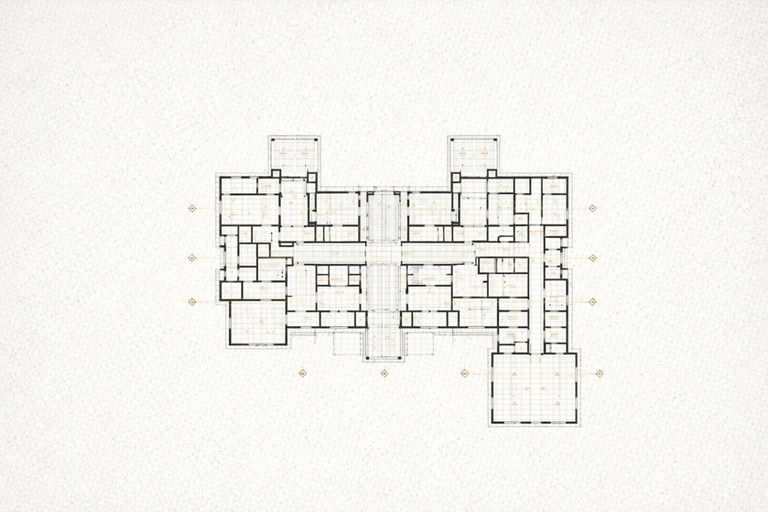
Durante questa fase, gli architetti producono disegni preliminari come piante, sezioni di base ed alzati. Questi disegni spiegano la circolazione, le relazioni spaziali e l'organizzazione generale. Rimangono flessibili, consentendo feedback e iterazione prima dell'inizio della documentazione dettagliata.
Lo scopo della fase di progettazione schematica è stabilire una direzione progettuale chiara e condivisa. Gli architetti testano le idee rispetto alle condizioni del sito, ai limiti di budget e alle necessità funzionali. Di conseguenza, i rischi maggiori vengono identificati presto e gli stakeholder acquisiscono una comprensione comune di come l'edificio funzionerà.
Importanza della Progettazione Schematica per il Successo del Progetto
Una solida progettazione schematica stabilisce chiarezza e direzione strategica fin dall'inizio. Risponde a domande fondamentali su layout, scala e funzione. Di conseguenza, l'incertezza diminuisce prima che inizi il lavoro dettagliato.
Questa fase migliora il controllo dei costi e la riduzione dei rischi. Il test precoce delle idee aiuta a identificare conflitti e ipotesi non realistiche. Pertanto, le revisioni costose in seguito nel processo diventano meno probabili.
La progettazione schematica aumenta inoltre l'efficienza dei processi e la continuità del flusso di lavoro. I concetti chiari guidano i consulenti e i team tecnici. Di conseguenza, lo sviluppo del progetto procede più velocemente e con meno interruzioni.
Un altro vantaggio fondamentale è una migliore comprensione del cliente e fiducia. Gli studi visivi trasformano le esigenze astratte in forme tangibili. I clienti possono confrontare le opzioni e prendere decisioni con meno confusione.
Inoltre, la progettazione schematica supporta il coordinamento anticipato e l'allineamento. Architetti, consulenti e stakeholder condividono un punto di riferimento comune. Ciò migliora la collaborazione e riduce i fraintendimenti.
Infine, questa fase rafforza la qualità del progetto a lungo termine. I concetti ben testati portano a edifici più coerenti. In sintesi, una solida progettazione schematica influenza direttamente i risultati di successo.
Il ruolo della progettazione schematica nel processo di progettazione architettonica
La progettazione schematica definisce la direzione complessiva di un progetto architettonico. Traduce il brief e gli obiettivi del cliente in un approccio concettuale chiaro. A questo punto, le idee rimangono flessibili e aperte a affinamenti.
Un ruolo fondamentale è l'organizzazione spaziale. Gli architetti esplorano come gli spazi si relazionano, si collegano e fluiscono. Questo aiuta a testare la funzionalità prima che emergano i vincoli tecnici.
Un altro ruolo è la definizione della forma e della massa dell'edificio. Gli studi iniziali esaminano scala, volume e proporzione. Pertanto, il progetto risponde meglio al suo sito e al contesto.
La progettazione schematica supporta inoltre i test di fattibilità iniziali. Gli architetti considerano le regole di zonizzazione, l'orientamento e i fattori di sostenibilità di base. Ciò riduce i rischi principali nelle fasi successive del processo.
Infine, questa fase rafforza la comunicazione e l'allineamento. I disegni e i modelli semplici aiutano i clienti e i consulenti a comprendere il concetto. Di conseguenza, fornisce una base stabile per lo sviluppo del progetto e la documentazione.
Per questo motivo, la progettazione schematica è riconosciuta negli standard professionali come una fase critica di decision-making piuttosto che un mero esercizio visivo.
Componenti chiave della progettazione schematica in architettura
Diversi elementi fondamentali definiscono il design schematico in architettura. Ogni componente aiuta a comunicare il concetto del progetto in modo chiaro senza introdurre complessità tecniche. Insieme, forniscono un framework strutturato ma flessibile per le decisioni nelle fasi iniziali.
Questi componenti aiutano a tradurre gli obiettivi astratti in una direzione di design strutturata senza fissare i dettagli tecnici troppo presto.
I diagrammi concettuali esprimono visivamente l'idea di design principale e la logica spaziale complessiva.
Le planimetrie preliminari illustrano le dimensioni approssimative degli ambienti, le funzioni e le relazioni.
Gli studi di massa di base esplorano la forma, il volume e la scala dell'edificio nel contesto del sito.
I layout iniziali del sito rispondono all'orientamento, ai punti di accesso e alle condizioni circostanti.
Le considerazioni di costo iniziali utilizzano stime di area approssimative per testare l'allineamento del budget e la fattibilità.
Fasi del Design Schematico
Il design schematico si sviluppa attraverso una serie di fasi interconnesse che trasformano gradualmente le idee iniziali in una direzione di design chiara e condivisa.
Il design schematico è organizzato nelle seguenti fasi:
1. Definizione dell'Intento di Design
Il processo inizia con la definizione dell'idea centrale del progetto. Gli architetti traducono il brief, le aspirazioni e i vincoli in un intento di design chiaro che stabilisce il tono per le decisioni spaziali, funzionali e formali.
2. Lettura del Sito e Verifica della Fattibilità
L'intento progettuale viene confrontato con le realtà del luogo. Le condizioni del sito, le normative urbanistiche, i fattori ambientali e i requisiti di accessibilità vengono esaminati per confermare che il concetto possa essere realisticamente sviluppato.
3. Definizione delle Relazioni Spaziali
Gli schemi preliminari esplorano come gli spazi si collegano, si articolano e supportano l'uso quotidiano. L'enfasi è sulla logica spaziale, la circolazione e la gerarchia piuttosto che sulla precisione costruttiva o sui dettagli di realizzazione.
4. Esplorazione della Massa e della Forma
Gli studi di massing investigano il volume, le proporzioni e la scala. Gli architetti valutano come la forma dell'edificio si posiziona nel suo contesto, risponde ai limiti urbanistici ed esprime il carattere complessivo del progetto.
5. Allineamento dei Sistemi Tecnici Iniziali
A livello concettuale, si considerano le strategie strutturali e gli approcci MEP di base per supportare il concetto spaziale. Questo allineamento precoce aiuta a evitare conflitti prima del coordinamento dettagliato.
6. Equilibrio tra Costi e Rischi
Gli studi di costo approssimativo e le considerazioni relative ai rischi vengono esaminati insieme al progetto in evoluzione. Gli aggiustamenti assicurano che l'ambizione, la fattibilità e il budget rimangono in equilibrio mentre il progetto progredisce.
7. Consolidamento della Direzione e Approvazione
Il design schematico viene revisionato e perfezionato con i clienti e le parti interessate. Una volta confermata una direzione condivisa, il progetto è pronto per la transizione nella fase di sviluppo progettuale con chiarezza e fiducia.

Analisi del Sito e Fattibilità nella Progettazione Schematica
Le condizioni del sito plasmano direttamente le prime decisioni di progettazione. Durante la progettazione schematica, gli architetti studiano il contesto fisico e urbano per comprendere vincoli e opportunità. Ciò include topografia, clima, punti di accesso e l'ambiente costruito circostante.
Gli studi di fattibilità valutano le norme di zonizzazione, i codici edilizi e i requisiti di approvazione. Identificano i rischi di conformità e i limiti di pianificazione in una fase iniziale. Di conseguenza, l'ambito del progetto si allinea più strettamente alle realtà normative.
L'analisi ambientale inizia anche durante questa fase. Gli architetti valutano l'orientamento, la luce solare e i modelli di vento per supportare strategie di progettazione passiva fin dall'inizio.
In alcuni contesti, la progettazione schematica può anche supportare revisioni informali con le autorità di pianificazione. Le discussioni pre-domanda o le sessioni di feedback iniziale aiutano a chiarire le aspettative normative prima delle presentazioni formali. Sebbene non vincolanti dal punto di vista legale, questo contributo può ridurre i rischi di approvazione in seguito.
Studi di Masse e Esplorazione della Forma dell'Edificio
Gli studi di masse si concentrano sul volume e la proporzione complessivi dell'edificio. Esplorano come le dimensioni e la forma rispondono al sito senza coinvolgere dettagli di materiale o facciata. Ciò consente di testare rapidamente più opzioni di progettazione.
L'esplorazione della forma dell'edificio esamina come la struttura si inserisce nel suo contesto. I progettisti possono regolare l'altezza, i rientri o la densità per conformarsi alle normative di pianificazione. Queste decisioni influenzano la strategia di facciata e l'integrazione nel sito.
Le visualizzazioni semplici aiutano a comunicare queste idee chiaramente. Consentono agli stakeholder di comprendere la scala, la forma e l'intento spaziale in una fase iniziale.
Pianificazione dello Spazio e Relazioni Funzionali nella Progettazione Schematica
La pianificazione dello spazio organizza il modo in cui le aree interne si collegano e funzionano insieme. Gli architetti definiscono i percorsi di circolazione, le zone di servizio e gli spazi del programma principale. Una pianificazione chiara migliora l'usabilità e l'efficienza operativa.
Le considerazioni chiave includono:
Adiacenze logiche degli spazi che supportano l'uso quotidiano, posizionando gli spazi frequentemente collegati vicini tra loro per migliorare la funzionalità e ridurre i movimenti inutili.
Percorsi di circolazione chiari per utenti, servizi e accesso di emergenza, che permettono il movimento fluido attraverso l'edificio senza conflitti o corridoi ciechi.
Accessibilità e conformità normativa integrate nei layout iniziali, per soddisfare i requisiti legali e creare spazi inclusivi e user-friendly.
Fattibilità strutturale allineata alla pianificazione spaziale, in modo che griglie di colonne, luci e percorsi di carico supportino il layout previsto senza forzare cambiamenti importanti successivamente.
Distribuzione equilibrata della luce naturale nelle aree chiave, migliorando il comfort, riducendo la domanda energetica e influenzando il posizionamento degli spazi da subito.
Coordinamento strutturale, MEP e BIM nella progettazione schematica
La coordinazione precoce con gli ingegneri migliora la fattibilità della progettazione. Gli architetti definiscono un concetto strutturale preliminare, come sistemi in calcestruzzo o acciaio, per supportare l'intento spaziale. Parallelamente, le strategie MEP delineano gli approcci meccanici, elettrici e idraulici di base.
BIM supporta questa collaborazione da subito. La modellazione di informazioni edilizie riunisce i dati architettonici e ingegneristici in un ambiente digitale condiviso. Consente l'allineamento precoce dei sistemi e riduce i rischi di coordinamento.
Deliverable tipici prodotti durante la progettazione schematica
I deliverable in questa fase si concentrano sulla chiarezza piuttosto che sulla precisione. Comunicano l'intento progettuale generale senza definire dettagli tecnici o costruttivi. Questo approccio mantiene le idee flessibili e aperte alla revisione.
Gli architetti utilizzano spesso schizzi a mano e diagrammi semplici per illustrare le relazioni spaziali. Questi visivi mostrano come gli spazi si collegano e come l'edificio potrebbe funzionare. Pertanto, supportano la discussione iniziale e l'allineamento.
I modelli digitali semplici sono comuni anche nella progettazione schematica. Ad esempio, un modello di massing può illustrare l'altezza, la scala e il volume senza dettagli di facciata. Questo aiuta a valutare la forma, la scala e l'impatto sul sito.
Planimetrie annotatecon legenda chiariscono ulteriormente le dimensioni degli ambienti e i layout generali. Brevi note spiegano le assunzioni e la logica progettuale, rendendo il feedback più mirato e produttivo.
I deliverable tipici della progettazione schematica includono:
Diagrammi concettuali che comunicano l'idea progettuale centrale
Planimetrie preliminari che mostrano layout approssimativi e relazioni spaziali
Sezioni e prospetti schematici che illustrano le proporzioni generali e l'organizzazione verticale
Modelli di massing 3D utilizzati per studiare volumi, scale e contesto
Specifiche di progetto che descrivono le intenzioni generali di materiali e sistemi
Stima preliminare dei costi basata su studi preliminari di aree e volumi
File BIM base che rappresentano il progetto a livello concettuale
Come il Design Schematico Si Inserisce nel Processo Architettonico
Il design schematico si colloca tra la programmazione e lo sviluppo del progetto. La programmazione definisce le esigenze e gli obiettivi del progetto, mentre le fasi successive definiscono le soluzioni tecniche. Il design schematico collega questi passaggi trasformando i requisiti in un concetto chiaro.
In questa fase, le decisioni rimangono flessibili e modificabili. Gli layout, le forme e le relazioni possono ancora cambiare senza un impatto significativo. Pertanto, questa fase consente un'esplorazione con rischi minori.
Poiché i cambiamenti sono più facili da apportare in questa fase, i costi rimangono sotto controllo. Gli adeguamenti effettuati in seguito spesso influenzano i disegni, i consulenti e le scadenze. Di conseguenza, la progettazione schematica aiuta a proteggere sia il budget che la timeline.
La progettazione schematica prepara inoltre il progetto per la fase successiva. Una volta approvato il concetto, lo sviluppo del progetto può concentrarsi sui dettagli e sul coordinamento. In breve, funge da ponte tra le idee e l'esecuzione.
Budget e strategia di costo durante la progettazione schematica
I limiti finanziari modellano le decisioni progettuali fin dall'inizio. Gli architetti lavorano a stretto contatto con i consulenti di costo per sviluppare stime di costo preliminari che riflettono l'intento progettuale iniziale. Queste stime si basano generalmente su calcoli di area, ipotesi di sistema e concetti strutturali iniziali.
Quando i costi previsti superano il budget disponibile, i team applicano strategie di value engineering. Questo processo adegua materiali, sistemi o priorità spaziali mantenendo gli obiettivi di prestazione core. In parallelo, la valutazione dei rischi aiuta a identificare tempestivamente le incertezze finanziarie e tecniche potenziali.
Pertanto, mantenere l'allineamento finanziario durante la progettazione schematica riduce la probabilità di revisioni costose nelle fasi successive e supporta un risultato progettuale più prevedibile.
Ruolo della gestione dei rischi nella progettazione schematica
La progettazione schematica svolge un ruolo chiave nella gestione tempestiva dei rischi. Aiuta a identificare i rischi progettuali, normativi, di budget e tecnici prima che diventino problemi costosi.
Testando le ipotesi tempestivamente, gli architetti possono affrontare i problemi legati alla zonizzazione, ai vincoli del sito, alla complessità dei sistemi o al disallineamento dell'ambito. Di conseguenza, il progetto entra nelle fasi successive con meno incognite e una prevedibilità più forte.
Sfide comuni nella fase di progettazione schematica
Sebbene questa fase consenta l'esplorazione, introduce anche diverse sfide pratiche. Gli architetti devono bilanciare le idee creative con i vincoli reali mentre le decisioni rimangono ancora fluide.
Pertanto, priorità chiare e feedback strutturato diventano essenziali.
Gestire l'ambito progettuale mentre le idee si sviluppano, assicurando che l'esplorazione non si espanda oltre gli obiettivi del progetto
Allineare le aspettative di budget con l'ambizione spaziale, affinché i primi concetti rimangano finanziariamente realistici
Interpretare input del cliente poco chiari o mutevoli, che possono spostare le priorità durante la formazione del concetto
Affrontare i limiti del sito e della zonizzazione in fase iniziale, prima che limitino le opzioni progettuali successive
Collaborazione con il cliente e processo decisionale nella progettazione schematica
Il coinvolgimento del cliente influenza fortemente la direzione del progetto. Gli architetti organizzano workshop e design charrette per affinare gli obiettivi, le priorità e le esigenze spaziali. Riunioni regolari con gli stakeholder aiutano a chiarire le aspettative, i vincoli e i criteri di successo.
I cicli di feedback iterativi consentono al progetto di evolversi prima delle approvazioni formali. I punti di decisione confermano l'allineamento con l'ambito, il budget e i requisiti normativi. Di conseguenza, una forte collaborazione riduce i malintesi e aumenta la fiducia nel concetto finale.
Durante questa fase, le responsabilità rimangono chiaramente definite. Il feedback del cliente si concentra su obiettivi, priorità e esigenze spaziali. L'input dei consulenti, come il parere strutturale, MEP o sui costi, supporta la fattibilità e il coordinamento. Le decisioni progettuali interne rimangono responsabilità del team di progettazione, garantendo la coerenza del concetto e l'integrità progettuale.
Criteri di approvazione della progettazione schematica
L'approvazione della progettazione schematica conferma che il progetto è pronto per procedere. L'approvazione si basa generalmente sull'allineamento tra diverse aree chiave piuttosto che sui dettagli progettuali.
Ambito di approvazione del cliente, confermando che il concetto soddisfa le aspettative funzionali, spaziali ed estetiche
Conferma dell'allineamento di budget, verificando che le stime dei costi preliminari rientrano nei limiti finanziari
Conferma di fattibilità normativa, garantendo che siano affrontati vincoli urbanistici, codici e pianificazione
Una volta soddisfatti questi criteri, il progetto può procedere con sicurezza verso lo sviluppo della progettazione.
Transizione allo Sviluppo della Progettazione Dopo la Progettazione Preliminare
Una volta approvata la progettazione preliminare, il progetto passa alla fase di sviluppo della progettazione. Gli architetti iniziano a perfezionare materiali, sistemi di facciata e componenti tecnici con maggior dettaglio. I disegni preliminari si trasformano in documentazione coordinata e più precisa.
Questa transizione rappresenta un passaggio dall'esplorazione alla definizione tecnica. Le prime decisioni progettuali continuano a guidare il progetto mentre l'integrazione dell'ingegneria diventa più dettagliata e accurata.
Strumenti Digitali Utilizzati nella Progettazione Preliminare
La tecnologia migliora sia la velocità che la qualità delle decisioni durante le fasi iniziali della progettazione. Gli architetti si affidano a strumenti digitali per esplorare la forma, testare ipotesi e comunicare le idee chiaramente. Di conseguenza, la progettazione preliminare beneficia di iterazioni più rapide e scelte più consapevoli.
Gli strumenti di modellazione parametrica consentono agli architetti di testare efficientemente le variazioni della forma dell'edificio. Il software di simulazione ambientale supporta i controlli di sostenibilità anticipati, come l'illuminazione naturale, l'esposizione solare o la richiesta energetica. Questi dati informano le decisioni prima che aumentino i vincoli tecnici.
Gli strumenti comuni includono:
Piattaforme BIM, come Revit e Archicad, utilizzate per layout spaziali e dati edilizi di base
Software di progettazione parametrica, incluso Grasshopper per Rhino, che consente l'esplorazione rapida di forme e logiche
Applicazioni di analisi energetica, come Ladybug Tools o Sefaira, che supportano studi precoci di prestazione ambientale
Strumenti di rendering concettuale, come SketchUp, Enscape o Lumion, utilizzati per visualizzare idee e raccogliere feedback
Nel complesso, questi strumenti supportano l'iterazione progettuale consapevole, una comunicazione più chiara e un migliore allineamento tra il concetto e le prestazioni durante la progettazione schematica.
Punti Chiave
La progettazione schematica pone le basi del processo di progettazione architettonica definendo il concetto, il layout e la direzione generale fin dalle prime fasi.
Si concentra su l'intenzione progettuale piuttosto che sui dettagli tecnici, permettendo flessibilità e iterazione prima che le decisioni diventino definitive.
I requisiti del cliente sono tradotti in strategie concettuali e disegni preliminari che guidano il progetto.
L'analisi del sito, gli studi di fattibilità e la revisione della normativa urbanistica assicurano l'allineamento normativo e contestuale sin dalle prime fasi.
Gli studi di massing e la pianificazione dello spazio definiscono la forma dell'edificio, il layout e le relazioni spaziali.
L'attenzione precoce a controllo del budget e value engineering supporta la fattibilità finanziaria.
Il coordinamento strutturale e MEP a livello concettuale riduce i rischi tecnici in seguito.
Gli strumenti digitali e i flussi di lavoro BIM migliorano la velocità di iterazione, la collaborazione e la chiarezza.
Una solida pianificazione schematica migliora il coordinamento, il controllo dei costi, l'affidabilità della tempistica e la qualità complessiva del progetto.
Domande frequenti
In che modo la progettazione schematica differisce dalla progettazione di sviluppo?
La progettazione schematica si concentra sulla definizione del concetto generale, della massa e della disposizione spaziale. Lo sviluppo del progetto affina queste idee aggiungendo sistemi tecnici, decisioni sui materiali e disegni coordinati. In breve, il processo passa dall'esplorazione alla definizione tecnica.
Quanto tempo richiede solitamente la progettazione schematica?
La durata dipende dalle dimensioni e dalla complessità del progetto. I progetti piccoli possono richiedere alcune settimane, mentre i progetti più grandi o con più stakeholder possono richiedere diversi mesi.
La progettazione schematica è obbligatoria per ogni progetto di architettura?
La maggior parte dei progetti professionali include la progettazione schematica come fase definita. Tuttavia, i progetti molto piccoli o ripetitivi possono combinarla con le fasi successive.
La progettazione schematica include calcoli strutturali?
La progettazione schematica non include calcoli strutturali dettagliati. Si basa su ipotesi di alto livello che vengono affinate durante lo sviluppo del progetto.
È ancora possibile apportare modifiche dopo l'approvazione della progettazione schematica?
Sì, le modifiche sono ancora possibili dopo l'approvazione. Tuttavia, diventano più lunghe e costose man mano che il progetto avanza.
I materiali vengono selezionati durante la progettazione schematica?
I materiali vengono considerati solo a livello concettuale. Le selezioni finali e le specifiche vengono sviluppate nelle fasi successive.
Quanto sono dettagliati i pianti schematici?
I piani schematici mostrano dimensioni approssimative, adiacenze e circolazione. Non includono dimensioni esatte o dettagli costruttivi.
Quanto sono accurate le stime dei costi nella fase di progettazione schematica?
Le stime dei costi sono preliminari e basate su calcoli di superficie o progetti comparabili. L'accuratezza migliora man mano che le decisioni di progettazione diventano più definite.
Chi è tipicamente coinvolto durante la progettazione schematica?
L'architetto e il cliente sono sempre coinvolti. Consulenti come ingegneri strutturali o MEP possono fornire un contributo iniziale quando necessario.
Quali documenti vengono solitamente consegnati alla fine della progettazione schematica?
I deliverable includono tipicamente diagrammi concettuali, piani schematici, studi di massa e stime dei costi preliminari. Questi documenti supportano l'approvazione del cliente.
Quali decisioni vengono confermate dopo l'approvazione della progettazione schematica?
L'orientamento complessivo della progettazione, la disposizione spaziale e la massa dell'edificio sono confermati. Queste decisioni guidano tutto lo sviluppo tecnico successivo.
Come influisce la zonizzazione sulle decisioni della progettazione schematica?
Le normative di zonizzazione influenzano l'altezza, gli arretramenti, la densità e gli usi consentiti. Affrontarle anticipatamente previene riprogettazioni importanti in seguito.