
Aggiornato il: 04 febbraio 2026
L'architettura raramente ha una seconda possibilità per fare una buona prima impressione. Prima che i progetti vengano letti o gli spazi vengano attraversati, la facciata comunica già intenti, qualità e atteggiamento. Nella pratica contemporanea, il design della facciata residenziale ha superato il semplice trattamento superficiale per diventare una decisione architettonica critica in cui convergono performance, identità e contesto.
Questa guida esamina perché il design della facciata è importante nell'architettura contemporanea, esplora strategie di facciata distintive tratte da progetti residenziali moderni, e analizza come l'IA supporta le decisioni iniziali sulla facciata attraverso l'esplorazione concettuale. Insieme, queste sezioni collegano il pensiero architettonico, il comportamento dei materiali e gli strumenti di progettazione emergenti in un quadro chiaro per comprendere le facciate residenziali odierne.
Perché il design della facciata è importante nell'architettura contemporanea?
Il design della facciata è importante nell'architettura contemporanea perché definisce come un edificio funziona, comunica e si relaziona con l'ambiente circostante. Non più trattata come uno strato secondario, la facciata è diventata un sistema architettonico attivo che media tra lo spazio interno, le condizioni ambientali e il contesto urbano.
Le facciate odierne devono rispondere con precisione al clima, alla luce naturale e alle prestazioni energetiche. Il comportamento dei materiali, l'articolazione della superficie, i rapporti delle aperture e la profondità delle ombreggiature influenzano direttamente il comfort termico e l'efficienza operativa. Poiché gli standard di sostenibilità e le normative edilizie diventano sempre più esigenti, il design della facciata svolge un ruolo centrale nel raggiungimento delle prestazioni attraverso decisioni architettoniche piuttosto che componenti tecnici aggiuntivi.
Oltre alle prestazioni, la facciata stabilisce l'identità architettonica di un edificio. Modella le prime impressioni, esprime scala e proporzione, e segnala l'intento progettuale prima di entrare nello spazio. Nelle città dense e nei paesaggi diversi, la facciata spesso determina se un edificio si integra con il contesto o deliberatamente lo contrasta.
I progressi negli strumenti digitali e nei flussi di lavoro assistiti dall'IA hanno ulteriormente elevato l'importanza del design della facciata nelle fasi più iniziali di un progetto. Gli architetti possono ora testare masse, materiali e interazioni luminose durante lo sviluppo concettuale, permettendo alla facciata di guidare la logica spaziale e formale piuttosto che semplicemente rispondere ad essa.
Nell'architettura contemporanea, il design della facciata è importante perché funziona simultaneamente come interfaccia ambientale, limite spaziale e espressione primaria dell'intento architettonico che caratterizza l'ambiente costruito odierno.
Facciate caratteristiche nell'architettura moderna: Idee di facciata residenziale
Facciata minimalista completamente bianca

Questa abitazione utilizza superfici bianche pure per creare un esterno calmo e geometrico. La facciata si basa su linee nette che evidenziano l'ombra e la proporzione. Grandi aperture in vetro ammorbidiscono la massa e migliorano l'illuminazione naturale interna.
Facciata in legno completamente nera

Il legno nero carbonizzato avvolge l'edificio con un aspetto monolitico e forte. Il colore scuro aumenta il contrasto mentre la luce solare si muove sulla superficie. Le sottili linee verticali creano un ritmo sottile lungo la facciata.
Architettura Brutalista Facciata Residenziale
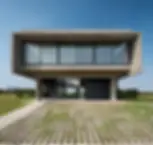
Il calcestruzzo a vista definisce l'esterno con una presenza pesante e scultorea. I profondi rientramenti aiutano a creare ombra controllata e sottolineano la geometria. Il materiale conferisce alla casa una forma grezza e strutturata.
Facciata Completamente Vetrata

Una pelle completamente vetrata circonda l'abitazione con viste aperte e luce continua. Gli elementi di telaio sottile rendono il volume leggero. I riflessi fondono l'edificio con il paesaggio circostante.
Casa di Montagna Rivestita in Pietra
La pietra naturale ancora la casa nel terreno in pendenza. La superficie testurizzata garantisce durabilità e un forte collegamento visivo con il sito. Le aperture delle finestre si collocano quietamente all'interno della massa di pietra.
Casa in Acciaio Corten

I pannelli corten ossidati creano tonalità calde e terrose sull'esterno. La superficie metallica cambia nel tempo a causa dell'ossidazione naturale. I giunti dei pannelli aggiungono un carattere preciso e industriale alla facciata.
Facciata a Schermi in Legno

Le stecche di legno verticali formano uno strato di ombreggiatura filtrato intorno all'edificio. Lo schermo protegge l'interno dal sole diretto consentendo la circolazione dell'aria. Il legno naturale aggiunge calore e una texture visiva morbida.
Facciata in Legno Verticale

Tavole di legno massiccio rafforzano la verticalità della forma dell'edificio. Il pattern ripetuto crea equilibrio sulla facciata. La luce che passa tra le tavole produce una delicata variazione di ombre.
Facciata in Mesh Metallico

I pannelli metallici forati agiscono come uno strato protettivo leggero. La mesh filtra la luce naturale e crea una superficie semi-trasparente. La facciata cambia aspetto in diverse condizioni di illuminazione.
Facciata in Terra Compressa
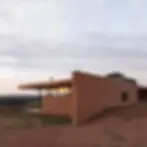
Le muri in terra compressa offrono tonalità naturali calde e una finitura testurizzata. L'elevata massa termica aiuta a stabilizzare le temperature interne. I strati orizzontali rivelano l'artigianalità dietro la costruzione.
Come l'AI Supporta le Decisioni Iniziali sulla Facciata?
Nelle fasi iniziali della progettazione architettonica, l'AI amplia l'esplorazione delle facciate senza aggiungere oneri tecnici. Gli architetti possono testare molteplici direzioni di facciata e studiare come le variazioni nella composizione massiva e nelle proporzioni influenzano il carattere architettonico.
L'AI aiuta anche a chiarire l'intento progettuale. Qualità astratte come solidità, trasparenza, ritmo o misura possono essere esplorate attraverso il comportamento dei materiali, la profondità della superficie e la composizione delle aperture, rendendo le idee iniziali più leggibili.
Il confronto diventa più facile in fase concettuale. Le alternative generate dall'AI consentono di valutare affiancate sottili differenze in scala, allineamento e chiarezza geometrica prima che le decisioni vengano fissate.
Un altro contributo chiave risiede nella percezione. Le facciate possono essere valutate da lontano, a livello stradale e in relazione agli edifici circostanti o al paesaggio, rafforzando la consapevolezza contestuale.
Mantenendo il progetto della facciata concettuale più a lungo, l'AI permette all'intento architettonico di guidare le decisioni. Piattaforme come ArchiVinci AI supportano questo processo focalizzandosi su atmosfera, comportamento della luce ed espressione complessiva, contribuendo a stabilire una strategia di facciata coerente prima che inizi la risoluzione tecnica.
Esplorare Facciate Concettuali con ArchiVinci
ArchiVinci supporta gli studi esterni iniziali generando render concettuali veloci attraverso il suo dedicato modulo di facciata esterna. Lo strumento legge la massa, la forma e il contesto con chiarezza e precisione, il che rafforza le valutazioni iniziali della geometria prevista. Produce output visivi rapidi che aiutano a testare la direzione prima della modellazione dettagliata. Questo lo rende estremamente utile per esplorare idee ampie nel design di facciate di case senza vincoli tecnici.
ArchiVinci si concentra su atmosfera, comportamento della luce ed espressione complessiva piuttosto che sul fotorealismo completo. Questo approccio aiuta a rivelare come una facciata risponde in diverse condizioni di illuminazione e variazioni di massa concettuale. Gli utenti possono sperimentare composizioni audaci o combinazioni di materiali insolite con feedback visivo stabile. In altre parole, il modulo supporta un pensiero concettuale ampio che definisce l'identità di un futuro esterno.
Il video può dimostrare il comportamento dell'interfaccia, i pannelli di regolazione e i moduli di output concettuale. I lettori acquisiscono una chiara comprensione visiva del flusso di lavoro mentre il testo evidenzia il potenziale progettuale dello strumento. Se combinato con facciate generate da AI, ArchiVinci diventa un forte partner per l'ideazione iniziale e l'esplorazione stratificata di facciate.
Per comprendere come gli strumenti di design esterno basati su AI si confrontano e come migliorano la velocità di visualizzazione, visita la nostra panoramica su come l'AI aiuta a visualizzare le facciate rapidamente.
20 Prompt Potenziati e Dettagliati per Facciate ArchiVinci
1. Volume Minimalista Bianco Flottante

Una casa minimalista bianca a due piani con volume superiore flottante, stucco bianco senza giunture, sottili telai per finestre in alluminio nero, vetrate d'angolo a tutta altezza, grande terrazza in cemento, vegetazione della costa mediterranea, luce dorata dell'ora d'oro, ombre ad alto contrasto.
2. Cabina Scandinava in Legno Nero

Una moderna capanna rivestita in legno nero carbonizzato (shou sugi ban), texture in listelli verticali, tetto a capanna, aperture di vetro minime, circondata da una foresta di pini scandinavi, nebbia mattutina, luce naturale diffusa, atmosfera calma.
3. Residenza in Cemento Brutalista

Una pesante abitazione brutalista in cemento grezzo con pareti in cemento dalla texture ruvida, finestre molto incassate, massiccio blocco sporgente, bordi delle lastre a vista, luce solare dura che crea ombre profonde, paesaggio arido.
4. Padiglione Completamente Vetrato con Telaio in Acciaio

Una casa padiglione contemporanea con facciata completamente in vetro, struttura in acciaio strutturale, vetrata a muro continuo senza giunti, riflessi del paesaggio circostante, montanti ultra sottili, illuminazione al tramonto.
5. Casa Scatola in Acciaio Corten

Una residenza rivestita in acciaio corten con pannelli arrugginiti invecchiati, inserti in metallo forato per l'ombreggiamento, geometria rettangolare pulita, corte in ghiaia, luce pomeridiana calda che esalta i toni arancioni.
6. Rifugio di Montagna Rivestito in Pietra
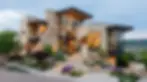
Una casa di montagna con muri in pietra naturale pesante, trama di pietra irregolare, telai in metallo scuro, angolo in vetro a sbalzo, vegetazione alpina, luce di montagna fresca e nitida.
7. Facciata con Schermatura a Lamelle Legno

Una casa a due livelli avvolta da una facciata a persiane verticali in legno, luce solare filtrata che entra negli interni, base in cemento, giardino lussureggiante, illuminazione ambientale calda.
8. Casa Nordica in Legno Verticale

Una casa moderna nordica rivestita interamente in assi di legno naturale verticale, composizione minimalista, ampi affacci vetrati, luce diurna settentrionale morbida, bosco nebbioso sullo sfondo.
9. Residenza Contemporanea in Rete Metallica

Una casa rettangolare avvolta da pannelli in rete metallica forata, facciata semi-trasparente, illuminazione calda indiretta, passaggio in cemento liscio, paesaggistica minimalista.
10. Casa nel Deserto in Terra Battuta

Una residenza in terra compressa con texture terrrose stratificate, muri monolitici spessi, profonde spallette delle finestre, paesaggio di altopiano desertico, alba calda che crea lunghe ombre.
11. Casa Cubica Bianca Moderna

Una casa contemporanea cubica bianca con piano superiore a sbalzo, stucco liscio, porte scorrevoli in vetro a tutta altezza, giardino minimalista desertico, luce serale nitida.
12. Casa in Cemento Scuro con Piscina Riflettente

Una casa in cemento pigmentato scuro con finestre in vetro senza telai, piscina riflettente frontale, illuminazione soft notturna, linee orizzontali nette.
13. Villa in Stucco Bianco Mediterranea

Una villa mediterranea moderna con facciata in stucco bianco, dettagli in pietra naturale, finestre nere sottili, ulivi, luce calda e lunghe ombre soft.
14. Casa Tropicale con Lamelle in Legno

Una casa moderna tropicale con fitte lamelle in legno orizzontali e verticali, piano terra aperto, lussureggiante vegetazione tropicale, atmosfera di luce umida.
15. Facciata Composita in Vetro e Corten

Una facciata ibrida che combina lastre in acciaio corten e grandi pannelli in vetro, forma angolare, contesto industriale, illuminazione nuvolosa per riflessi soft.
16. Residenza Minimalista su Collina Giapponese

Una casa minimalista su una collina giapponese, pareti in cemento chiaro, finestre verticali snelle, luce mattutina morbida e diffusa, vegetazione sottile.
17. Rustic Stone Forest House

Una casa rustico-moderna con pesanti pareti in pietra naturale, accenti in legno scuro, ubicazione su collina boschiva, fogliame autunnale, luce solare pomeridiana acuta.
18. High-Tech Curved Glass Façade

Una residenza futuristica con pannelli a facciata curva in vetro, nervature sottili in alluminio, vetrate panoramiche, orizzonte oceanico sullo sfondo, tonalità di tramonto riflettente.
19. Black Steel Horizontal House

Una casa moderna bassa rivestita in pannelli in acciaio nero opaco, lunghe finestre orizzontali a nastro, terreno pianeggiante, cielo drammatico tempestoso.
20. Clay Tile and Earth-Tone Home
Una casa dai toni terra caldi con rivestimento in laterizio, fondamenta in pietra beige morbida, aperture minime, giardino curato, luce mattutina nitida.
Punti Chiave
Il design della facciata stabilisce la prima impressione di un edificio comunicando l'intento architettonico, la qualità e il carattere prima che inizi qualsiasi esperienza spaziale.
Nell'architettura contemporanea, la facciata funziona come un sistema attivo che media tra lo spazio interno, le condizioni ambientali e il contesto circostante.
La scelta dei materiali plasma sia l'identità visiva che le prestazioni, influenzando luce, ombra, proporzione e durabilità nel tempo.
Le strategie di facciata devono rispondere al contesto, con gli ambienti urbani che danno priorità alla scala e alla presenza, mentre gli ambienti naturali enfatizzano la continuità materiale e l'integrazione nel paesaggio.
Le decisioni precoci sulla facciata svolgono un ruolo determinante nella composizione, nella logica spaziale e nel concetto architettonico complessivo.
L'IA amplia la gamma di esplorazioni di facciata nella fase concettuale senza aggiungere complessità tecnica al processo di progettazione.
I render concettuali di facciata chiariscono l'intento progettuale concentrandosi su atmosfera, comportamento della luce ed espressione materica piuttosto che su dettagli definitivi.
Confrontare più opzioni di facciata generate dall'IA consente decisioni progettuali iniziali più consapevoli e sicure.
Estendere la fase concettuale della progettazione di facciata permette all'intento architettonico di guidare il progetto prima che i vincoli tecnici restringano le possibilità progettuali.
Oggi, la progettazione di facciata rappresenta una decisione architettonica strategica dove convergono prestazioni, identità e contesto.
Domande frequenti
Qual è il materiale più durevole per una facciata residenziale?
Pietra, fibrocemento e laterizio di alta qualità sono tra i materiali di facciata più duraturi. Resistono agli agenti atmosferici, all'umidità e alle variazioni di temperatura per lunghi periodi con esigenze di manutenzione relativamente basse.
Come influiscono i materiali sull'identità della facciata?
I materiali modellano come un edificio viene percepito attraverso texture, colore e profondità di superficie. Determinano se una facciata si presenta solida, leggera, calda o sobria, spesso comunicando l'intento architettonico prima che i dettagli formali siano completamente leggibili.
Perché la scelta dei materiali è critica nella progettazione iniziale di facciata?
Le scelte materiali influenzano le proporzioni, le dimensioni delle aperture e il comportamento delle ombre fin dall'inizio. Scegliere i materiali in fase iniziale aiuta a stabilire una logica di facciata chiara che guida lo sviluppo della forma piuttosto che reagire ad essa in seguito.
Come il comportamento dei materiali influisce sulla luce e l'ombra su una facciata?
Le superfici ruvide e opache assorbono la luce e sottolineano la massa, mentre i materiali lisci o riflettenti aumentano il contrasto e la nitidezza visiva. Questa interazione influisce fortemente su come la profondità e la geometria sono percepite durante il corso della giornata.
Come il design della facciata influenza lo sviluppo del concetto architettonico?
Il design della facciata spesso si evolve insieme alla massa e alla logica spaziale. Le strategie di facciata iniziali possono rinforzare o indebolire il concetto architettonico dando forma alle proporzioni, al ritmo e all'equilibrio tra il solido e il vuoto.
Qual è la relazione tra il design della facciata e la massa dell'edificio?
L'articolazione della facciata influisce su come la massa è letta visivamente. La profondità, le aperture e la suddivisione della superficie possono ridurre o enfatizzare il volume percepito senza modificare l'impronta strutturale.
Come differiscono le strategie di facciata tra contesti urbani e naturali?
Le facciate urbane spesso rispondono all'allineamento, alla scala e alla presenza stradale, mentre le facciate in contesti naturali tendono ad enfatizzare la continuità materiale, l'orizzontalità e l'integrazione con il paesaggio o la topografia.
Come la profondità della facciata influisce sulla performance spaziale e ambientale?
La profondità fornisce ombreggiamento, crea isolamento termico e introduce una gerarchia visiva. Rientranze, schermi e superfici stratificate migliorano il comfort aggiungendo ricchezza architettonica.
Il design della facciata può influenzare la qualità spaziale interna?
La posizione delle finestre, il ritmo della facciata e lo spessore dei materiali influenzano direttamente la luce naturale, le viste, la privacy e l'atmosfera complessiva degli spazi interni.
Come il design della facciata comunica la scala alla percezione umana?
I motivi dei giunti, le proporzioni delle aperture e la ripetizione aiutano a mettere in relazione i grandi volumi edificati con il corpo umano. Le facciate svolgono un ruolo chiave nel rendere l'architettura leggibile a livello degli occhi.
Quanto costa riprogettare la facciata di una casa?
I costi variano notevolmente, ma la maggior parte dei rifacimenti di facciate vanno da aggiornamenti cosmetici moderati a cambiamenti strutturali completi. Il budget dipende tipicamente da materiali da costruzione, condizioni di manodopera e complessità del design.
Gli aggiornamenti della facciata aumentano il valore della proprietà?
Nella maggior parte dei casi, sì. Un forte design della facciata migliora l'aspetto esteriore e la qualità percepita, il che spesso si traduce in un valore di rivendita più elevato e in un maggiore interesse del mercato.
È necessario assumere un architetto per una ristrutturazione della facciata?
Non è obbligatorio assumere un architetto per una ristrutturazione della facciata, ma la loro competenza in proporzioni, materiali e considerazioni strutturali può aiutare a garantire un design coerente e prevenire costosi errori di costruzione.
Quali fattori considerare nella scelta dell'illuminazione esterna per una facciata?
Le considerazioni chiave includono il posizionamento dei corpi illuminanti, la temperatura della luce, l'efficienza energetica e il modo in cui l'illuminazione sottolinea gli elementi architettonici senza bagliore o sovra-illuminazione.
Come l'AI può assistere nell'aggiornamento di una facciata esistente?
Gli strumenti di progettazione esterna basati su IA possono supportare la ristrutturazione delle facciate testando nuovi materiali, regolando le proporzioni e affinando l'equilibrio visivo complessivo. Questi sistemi sono particolarmente utili nelle fasi iniziali della progettazione dove trasformare le facciate con IA consente ai progettisti di esplorare rapidamente diverse possibilità estetiche e strutturali basate sulla forma dell'edificio esistente.
Come l'IA cambia il modo in cui vengono prese le decisioni sulle facciate?
L'IA consente un'iterazione più rapida e un confronto affiancato delle idee di facciata, trasformando la progettazione iniziale da un processo lineare a uno esplorativo. Questo aiuta gli architetti a perfezionare l'intento prima che i vincoli tecnici restringano le opzioni.